Beltane Celebration: The History Of The Maypole Tradition

Photo Credit: Eden FC / pexels.com
In This Article You Will Find.
Even though it’s still a bit cloudy in the Netherlands, I can definitely feel spring in the air. Tiny blossoms are shyly popping out, the days are longer, and I can sense the slight warmth in the air. While this alone is enough to get me excited for the season ahead, there’s a celebration coming up that amps my anticipation even further the Beltane celebration! More commonly known as ‘May Day’, the ancient Celts celebrated Beltane on the first day of May, marking the second fire festival of the year, right after Imbolc.
What I love most about the Beltane celebration is that it feels both grounded and vibrant at the same time. After spending months cooped up at home, this season invites us to step outside with our families and truly embrace nature’s wonders. Speaking of family, this might be Voss and Elva’s favorite celebration of the year, simply because of the famous Maypole tradition.
If this is you want to learn more about the history of the Maypole tradition and how it’s relevant today, you’re in the right place! And to go even deeper into the Beltane celebration, I encourage you to check out my guide featuring all kinds of seasonal inspiration and practical activities.

Photo Credit: Rani Sahu / pexels.com
What Is Beltane?
Beltane is an ancient Celtic seasonal festival associated with early summer. It’s often celebrated with fire, festing, and traditions that honor fertility, growth, and protection. Including the Maypole tradition. The Beltane celebration happens on 1st May, marking the beginning of early summer, specifically in the middle between the spring equinox and the summer solstice. With time, modern-day May customs blended in with Beltane traditions, which is why they’re connected even today.
Still, despite the history, the reason why so many people resonate with the Beltane celebration (including myself!) is that it poses the perfect invitation to seasonal living. Once you start feeling the transition from early to late spring, seasonal celebrations don’t feel so abstract. On the contrary, they’re all around you. You notice the gardens and forests being in full bloom, the trees bursting with green, and the ever-buzzing sounds of insects being all around you.
But most importantly, you can feel the awakening within you, inspiring you to fully connect with the season, making you curious about everything it has to offer.
How To Celebrate Beltane Mindfully
One of the things I love most about celebrating Beltane is that you don’t need to make a spectacle of it. Instead of hosting a huge gathering or performing special rituals, you can observe Beltane through small acts of noticing.
For instance, the whole family can wake up a little earlier than usual and head outside before it gets too busy. While you're out, take in the surrounding nature, have your kids pick up flowers, and let your senses fully take over. After you’re done, gather everyone around the table and prepare a seasonal meal. Nothing too complicated, nothing too forced – just simple and intentional.
If you’re celebrating Beltane on your own, use this time for reflection, journaling, or look for signs of abundance and growth. This is a great time to ask yourself what’s growing in your life and whether you’re ready to take on more as summer approaches.
In any case, children find the Beltane celebration to be the most exciting. Children tend to understand the seasons best when they can experience them with their hands and senses. Making flower crowns, baking something simple, decorating the table with blossoms, or learning a few May Day traditions together can turn the day into something memorable without needing to overcomplicate it.
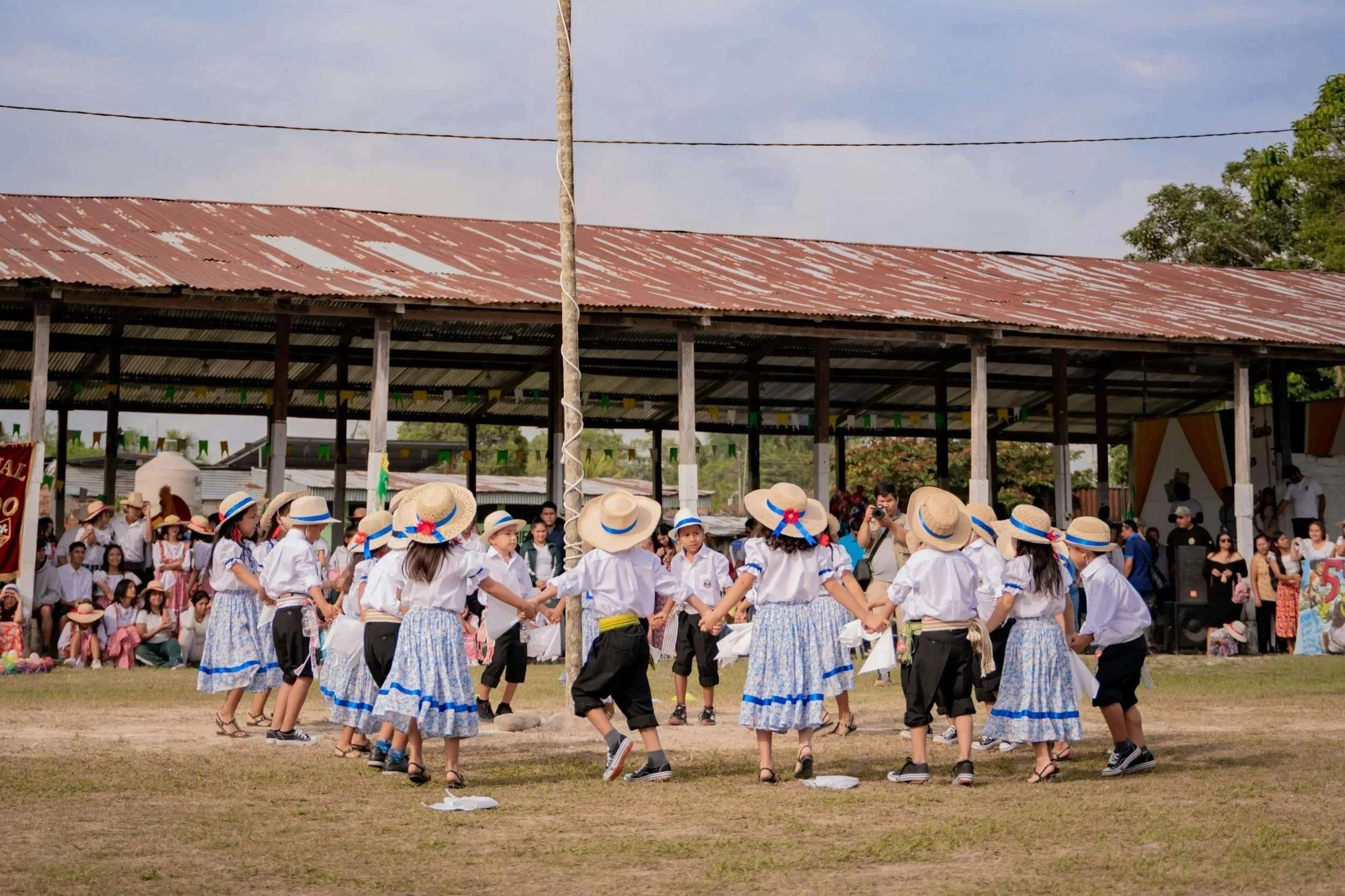
Photo Credit: Franklin Santillan A. / pexels.com
History Of The Maypole Tradition
Of all Beltane traditions, the Maypole tradition is undoubtedly the most popular. During Celtic times, people adorned tall poles with greenery, flowers, and long ribbons. Once attached, the dancers would take ribbon strands and move in patterns to weave them together. This led to the creation of the Maypole dance, which has been celebrated in different parts of Europe for centuries and is generally understood as a spring folk custom associated with growth, vitality, and communal celebration.
What makes the maypole dance so enduring is that it is both symbolic and joyful. The ribbons crossing over one another create something beautiful for a moment, but only because each dancer is paying attention. There is movement, color, rhythm, and cooperation. In that sense, the maypole diy version you make at home or the larger one you see at a Waldorf school festival both carry the same heart of the tradition. They invite people to take part in something shared.
With that said, you don’t need a huge pole plopped in your garden to observe the Maypole tradition. Even a stick with ribbons and flowers will suffice! The most important thing is that your family and children understand the idea behind it and the value of participation.
Why The Maypole Is Celebrated In Waldorf Schools
The maypole tradition also has a natural place in Waldorf education. Many Waldorf schools celebrate May Day as a spring festival, often with flower crowns, music, outdoor games, and a maypole dance at the center of the day.
Naturally, this kind of setup perfectly fits in a Waldorf school. They tend to place a strong emphasis on seasonal rhythms, connection to nature, beauty, handwork, and meaningful traditions that children can experience with their whole bodies.
Both of my children, Elva and Voss, attend this kind of school, and this nature-centered approach is what makes traditions like Beltane feel so alive. I’m overjoyed to know that my children are dipping their fingers in old traditions with songs, crafts, and festivals that reflect what is happening outdoors. They become something they know how to notice and honor.
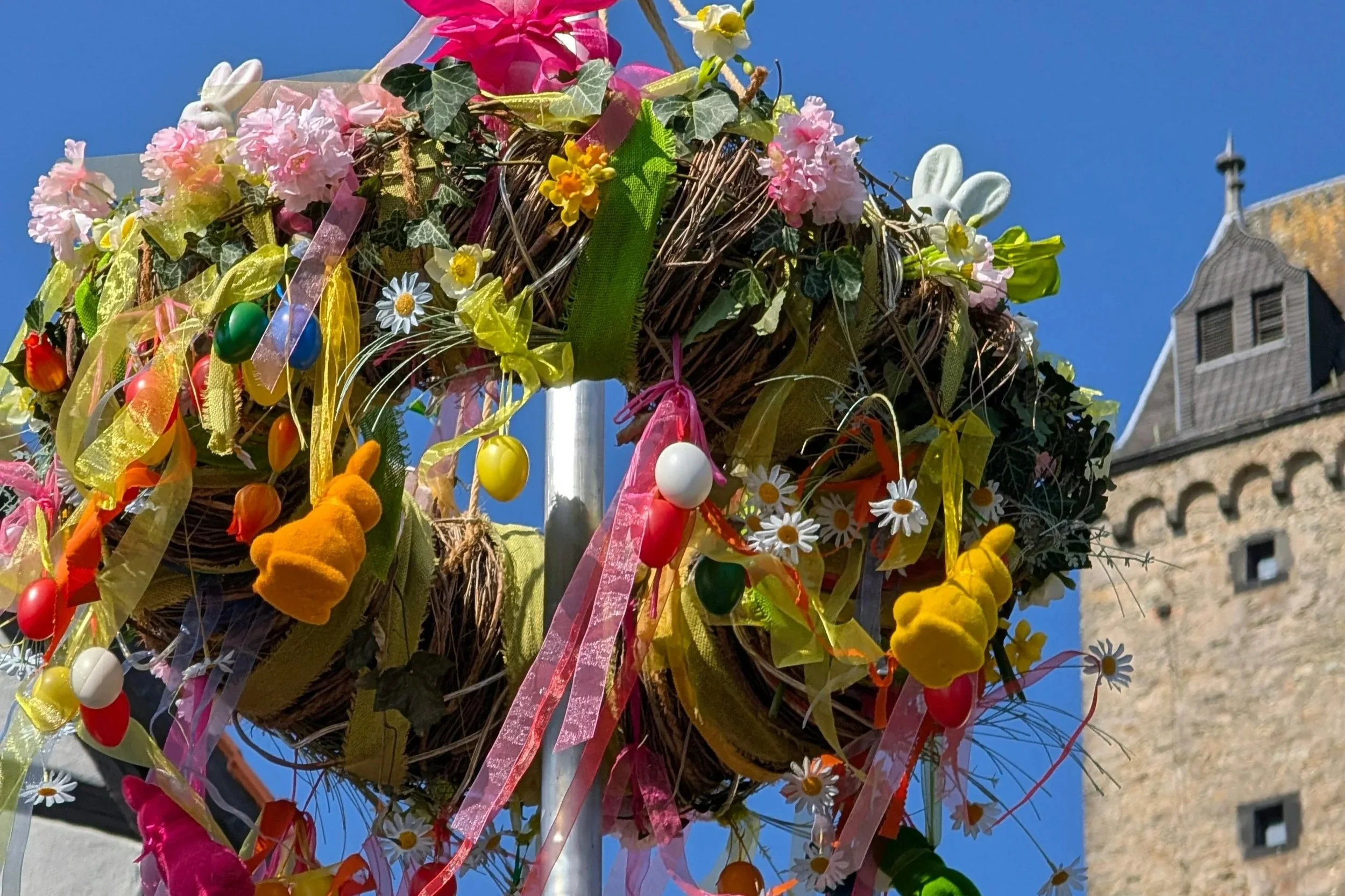
Photo Credit: Sveta Moisseyeva / pexels.com
Bringing Beltane Home
If there’s one thing you should pick up from the Beltane celebration is presence. It invites you to step outside, gather what is blooming, and celebrate the season in a way that feels real for your family.
If you’d like a more structured approach with your celebration, check out my Beltane guide, filled with seasonal prompts, creative activities, recipes, and reflection pages designed to help you connect with late spring more intentionally.

I'm a nature-loving mom from the Netherlands, sharing my journey of reconnecting with nature and embracing a simpler, more natural life.
Let’s explore this path together!
Follow & Like
Discover More

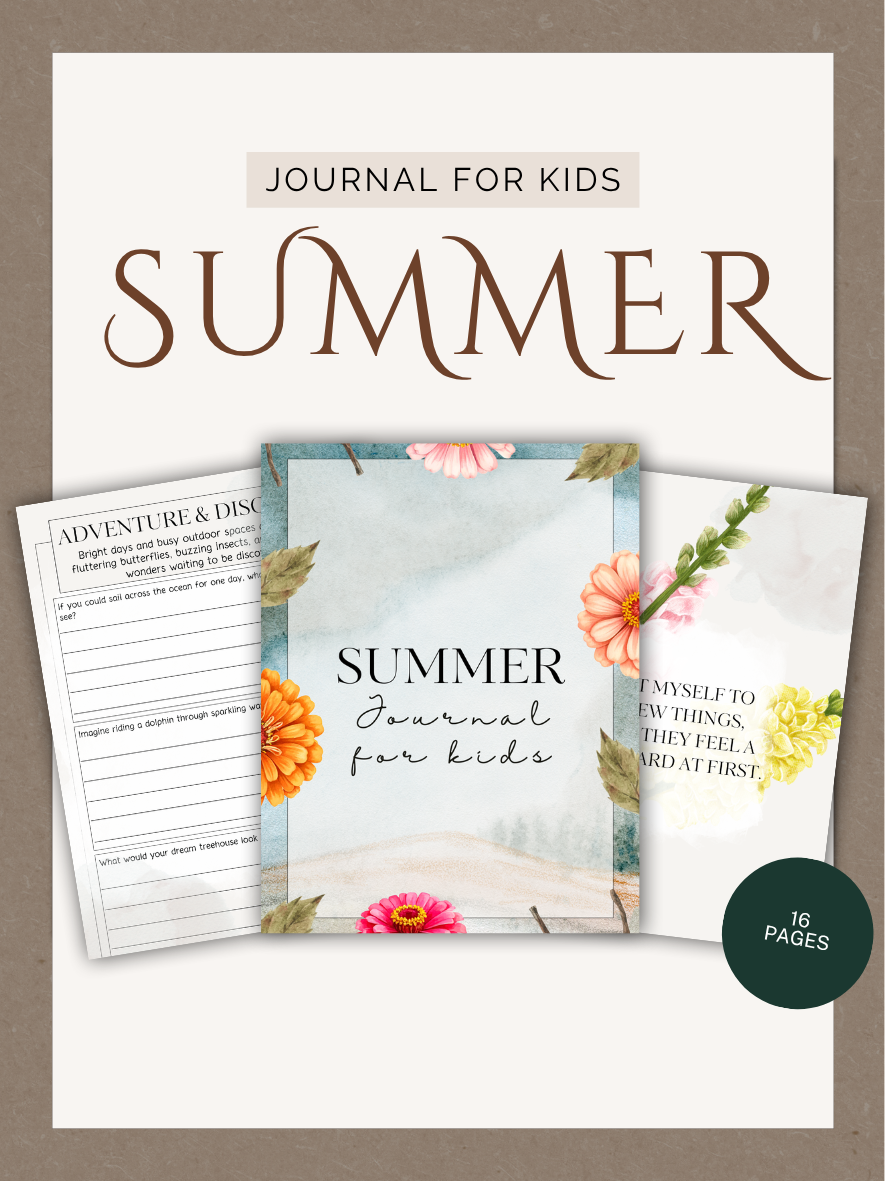
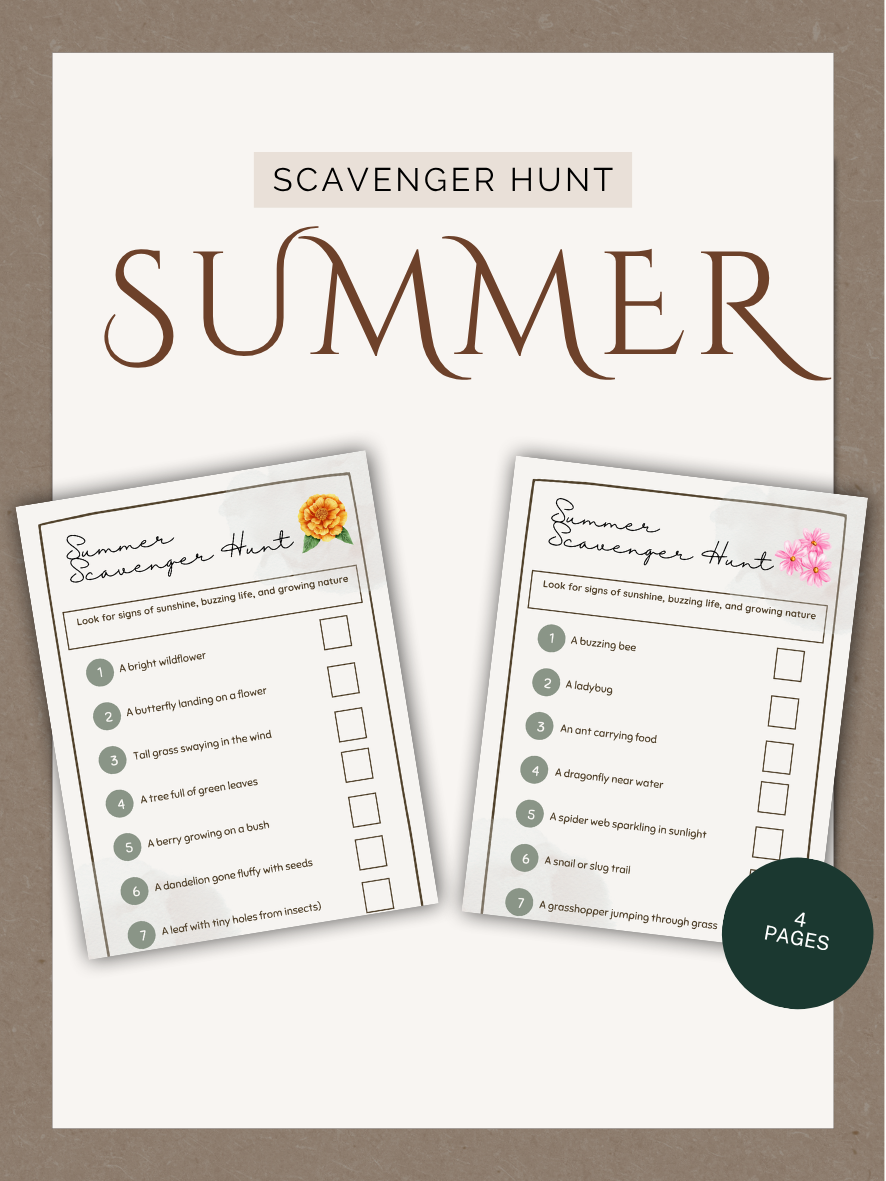
Embrace the Wonder of Autumn with the Nature Journal for Kids
As the air turns crisp and leaves begin to change color, invite children to slow down, explore the outdoors, and reflect on the beauty of the season through this thoughtfully designed Autumn Nature Journal for Kids Age 8+. Filled with guided writing prompts, mindfulness activities, and creative nature exercises, this printable journal encourages curiosity, imagination, and meaningful outdoor connection.
Inspired by peaceful woodland walks, falling leaves, cool breezes, and cozy autumn moments, this journal helps children build emotional awareness, observation skills, and confidence while enjoying relaxing screen-free activities.
Perfect for homeschool learning, classroom quiet time, forest school adventures, camping trips, and family nature walks, this printable journal creates space for children to notice seasonal changes and express their thoughts, feelings, and creativity through guided reflection and storytelling.
What’s Inside
This interactive journal includes:
Reflective journaling prompts inspired by the autumn season
Nature observation pages focused on changing landscapes and outdoor discovery
Mindfulness and gratitude activities to encourage emotional growth
Creative storytelling and imagination exercises
Thoughtfully designed printable pages for relaxing seasonal learning
Gentle prompts that inspire curiosity, creativity, and self-expression
Each page is carefully created to help children connect more deeply with nature while exploring the beauty, calm, and transformation of the autumn season.
Digital Download – For Personal Use Only
This is a digital product. No physical item will be sent.
Once your purchase is complete, you’ll receive a high-quality PDF ready for instant download and printing.
All sales are final due to the nature of the product. If you experience any issues or need assistance, feel free to reach out. I’m always happy to help.