17 Habits To Reduce Screen Time For Kids
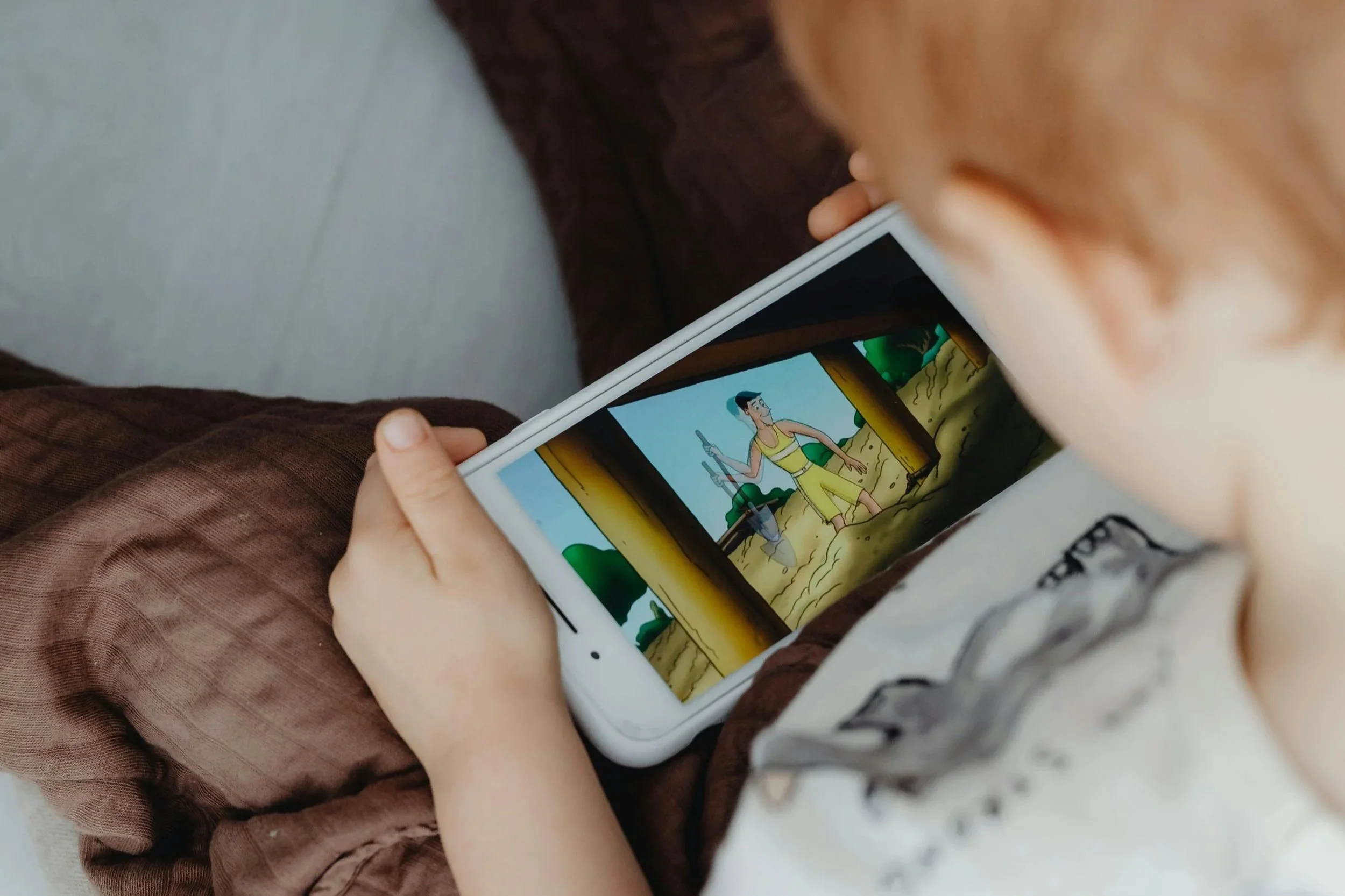
Photo Credit: kaboompics / pexels.com
In This Article You Will Find.
Deciding to become a parent can be one of the most thrilling moments of your life. However, as your child grows, you'll encounter various challenges that can pile up quickly. During those times, you may need a quick distraction to keep them occupied and calm while you tackle a task or find a solution. This is where screen time comes in handy. It can entertain your child while you cook dinner, assist with their homework when you're busy, and help them connect with friends. But before you know it, three hours have passed, your child is cranky, dinner has gone cold, and you’re left wondering how a brief video turned into a marathon.
It’s a common scenario.
Lately, you might be considering reducing screen time for kids. The technology you initially wanted to use positively now seems to complicate things. We live in a digital world where screens play a role in education, friendships, creativity, and family connections. Therefore, instead of trying to eliminate screens completely, finding a balance is crucial.
If you're looking to reduce screen time without facing arguments or feeling like a strict parent, keep reading for practical, realistic habits that can help. These are about making steady, thoughtful changes over time — not about achieving perfection or feeling guilty.

Photo Credit: kaboompics / pexels.com
Recognizing The Gap
Before we dive deeper into no screen time, let’s take a moment to reflect.
Many parents operate without clear guidelines. They do what feels manageable in everyday life: allowing a little TV while dinner cooks, handing over a tablet when everyone is tired, or letting kids watch a quick show at the end of the day when energy is low. This is understandable, but it’s important to recognize that recommended screen time for young children is often much lower than what many families consider normal. In numerous households, screens have quietly become the default way to navigate tough moments of the day, not because parents don’t care, but because they’re worn out too.
Recognizing this gap is significant. Once you realize the difference between recommendations and your family's daily routine, you can start making small changes without feeling ashamed or guilty. It’s about growing your awareness, not reacting out of panic.
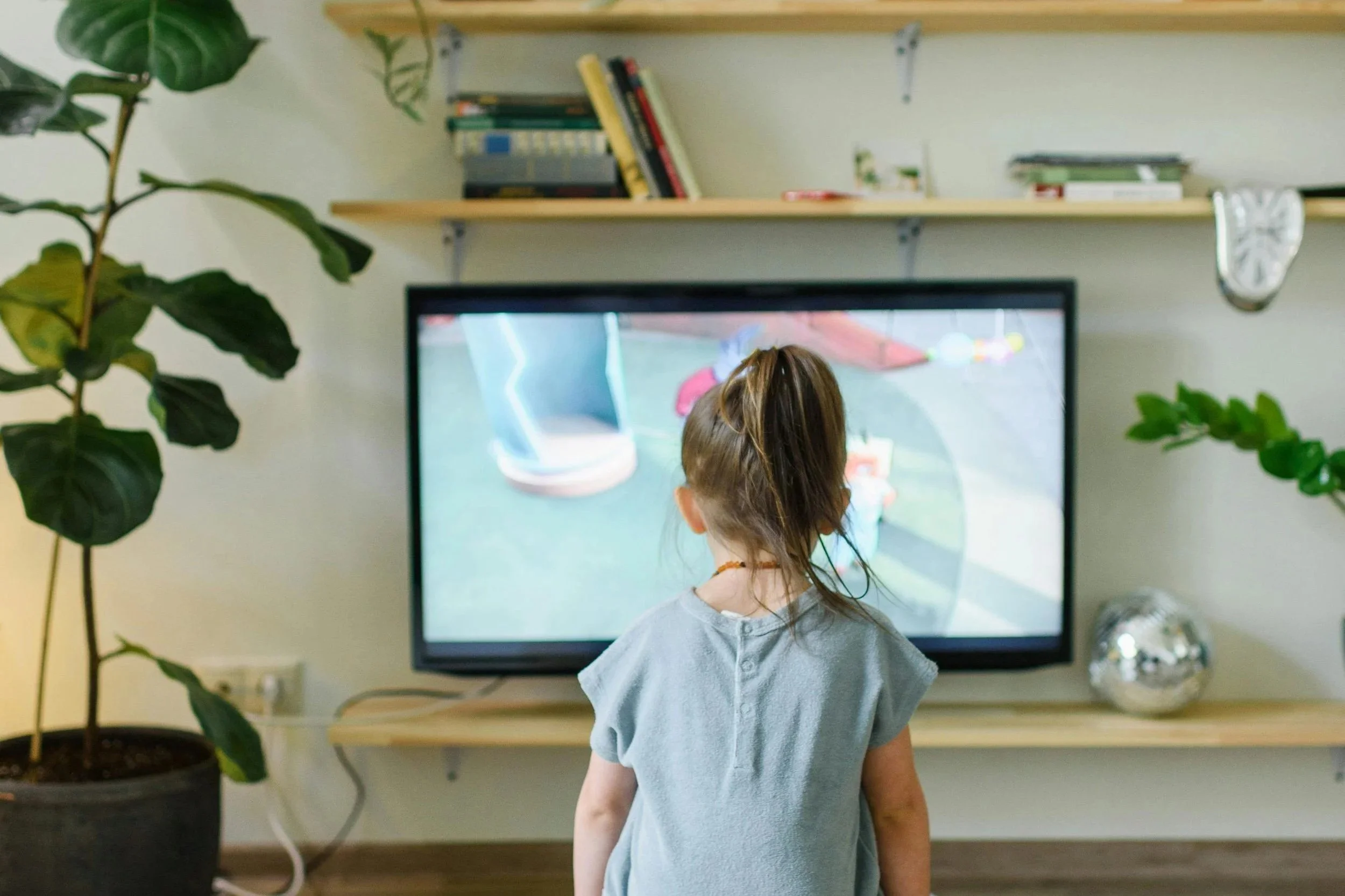
Photo Credit: Ksenia Chernaya / pexels.com
Screen-Free Habits For Kids
1. It Is Time To Be Aware
Before making any changes, take time to observe your child's screen use. Track how much time they spend on screens and what they do – whether it's gaming, chatting, or watching shows. Many parents are surprised by the actual amount of time.
Commonly, the hardest time for families is between 3 PM and 6 PM. During this period, both parents and kids are often tired and emotionally drained, making it harder to be patient. Children may become restless and overwhelmed after a long day, turning to screens for immediate relief, as they are bright and engaging.
If you find this time challenging, remember it’s a normal emotional dip for everyone in the family, not a failure.
2. Create Screen-Free Zones at Home
Sometimes the simplest habits are the most powerful. Choose specific spaces in your home that are completely screen-free. The dinner table is a beautiful place to start. Bedrooms are another important one, especially at night. Or remove the TV in the living room. In my home we only have laptop and no TV. And this makes that they have to ask me to watch something.
Why remove have screen free zones? Because screens in bedrooms often mean disrupted sleep. Blue light delays melatonin production, and notifications keep young minds alert long after lights-out. When you protect certain spaces, you’re not banning screens entirely – you’re creating digital boundaries. It sends a subtle but important message: not everything needs a screen.
We do not have a TV in our living room and use laptops. In this way my kids have to ask me to watch something and aren’t triggered that quickly to watch TV.
3. Establish a Predictable Screen Schedule
Every child needs a solid routine, and when that routine is disrupted (or there isn’t one in the first place), things tend to get hectic. If this happens with their screen time and they don’t have a dedicated time for it, then they will probably ask for it all the time. You do not need to make this a spontaneous decision, as it can lead to constant power struggles.
Instead, try some scheduled time, for example:
30 minutes after homework
A movie night on Fridays
Gaming only on weekends
The examples above depends on age. And aren’t suited for young childern.
Under 2 years old it’s recommend to have zero screen time.
And 2-5 years old it’s no more then 1 hour a day.
Older is up to 2 hours a day. Source
When a child knows when their screen time will be, they will not ask you every 20 minutes about it. You will not have to negotiate with them anymore. And that alone can lower stress levels throughout the household.

Photo Credit: Tima Miroshnichenko / pexels.com
4. Show the Behaviour You Want to See
This one can sting a little. Kids notice everything. So when you ask them to put down their phone during dinner but keep yours beside you, that sends a confusing message (especially for a young, developing brain). Imagine how powerful a ripple effect it can have when you reduce your screen time, too.
Put your phone away during conversations. Leave it in another room at bedtime. You don’t need to check notifications in the middle of a conversation. But also, you don’t have to be perfect. Children only need to see effort, so they will want to try doing the same themselves. This habit should not make anyone feel guilty – it should make everyone feel aligned.
5. Replace, Don’t Remove
Many families find it challenging to reduce screen time for kids. If you just say "no more screens" without offering other engaging activities, your child may initially get bored and then frustrated. Instead, think about replacing phones with screen free hobbies, such as:
Building kits
Craft projects
Books
Puzzles
Sensory play (clay, rice, etc)
Outdoor sports
Baking
Board games
Reading
Listening to Podcasts
By replacing screens with stimulating alternatives, the transition feels more natural.
Screens capture attention effectively because they combine movement, sound, color, and quick changes. For kids, they provide instant stimulation when they're bored or frustrated, which can create an over-reliance on screens for emotional regulation. This reliance can hinder their ability to develop skills to handle boredom and frustration in other ways.
What works for me is putting on a storytelling podcast and sensory play or coloring. I can cook during this time.
6. Encourage Boredom (Finally!)
Boredom has gotten a bad reputation. But boredom is often the doorway to creativity. When children constantly reach for screens the second they feel unstimulated, they lose the opportunity to imagine, invent, and self-direct. You might hear them complaining that there is nothing for them to do. Resist the urge to fix it immediately. Give them space to figure it out. That uncomfortable five minutes often leads to forts, drawings, backyard adventures, or spontaneous games. Boredom builds problem-solving muscles. And those muscles matter.

Photo Credit: Sandra Seitamaa / unsplash.com
7. Introduce Tech Curfews
Even adults sleep better when they turn off devices before bed. Consider a tech curfew, like shutting down screens an hour before bedtime and charging them in a central place. This can lead to better sleep, improved mood, and calmer evenings. If your child resists, emphasize health over punishment. Being consistent with this routine helps it feel normal and safe.
Too much screen time can negatively impact young children's sleep, mood, attention, creativity, and ability to wind down. It can also take away from essential playtime, which is crucial for their healthy development – like movement, imagination, sensory exploration, conversation, and problem-solving.
Screens can limit real experiences. Children can see and learn about the world on screens but miss out on actually touching, building, or exploring things themselves, leading to a more passive relationship with their environment.
Younger children need more than entertainment; they need hands-on experiences, rhythm, repetition, and real sensory interactions to help their brain and body connect. So, it's not just about reducing screen time for children – it's about increasing engaging and nourishing activities.
8. Prioritise Some Time Outside
Fresh air changes everything. Outdoor play reduces stress, improves focus, and naturally pulls attention away from screens. Even as little as 30 to 60 minutes a day can make a significant change in a child’s habits. It doesn’t have to be a grand adventure. It can be something as easy as:
A walk after dinner
A bike ride
Visiting a local park
Playing catch
Gardening together
Nature can always regulate the nervous systems in ways screens never can. When your child’s outdoor time becomes a routine, their need to be in front of a screen will decrease over time.
9. Teach Digital Literacy
And you should do this as early as possible. Because, if you really want to reduce your children’s screen time, it is not about how many minutes they clock in – it is about quality over quantity. Teach your children how algorithms work. Explain how apps are designed to keep them scrolling. Discuss online safety, privacy, and emotional health. When kids understand why you try to limit their time, they are more likely to respect that decision. If you don’t know where to begin, conversations can include something like the following topics:
Why comparison on social media can distort reality
How advertisements target young users
The importance of not oversharing personal information
When you give your children power over technology, they make better digital choices.

Photo Credit: Paulo Pescada / unsplash.com
10. Use Parental Controls as Support, Not Surveillance
Technology itself can help you manage technology – as funny as it sounds. Parental control tools can set time limits, block inappropriate content, and monitor a user's activity patterns (including your child's).
But here’s the trick – you still need to use them transparently. If you do this in secrecy, then it can damage your trust in your children. You can explain to your child that you want to use these tools to support healthy habits, not to spy. It is all about trust, boundaries, and transparency.
11. Create Tech-Free Family Rituals
Family traditions are powerful. Maybe you have your Sunday mornings off and make pancakes and play board games. Maybe Wednesday evenings are the time when you take walks and talk about things. Maybe you go to the library every Saturday, or to the mall. When kids associate certain times with connection rather than screens, their habits naturally change.
12. Encourage Social Interaction
This means your children should get offline and into the real world. Nowadays, while digital friendships are common (and not inherently bad), face-to-face interactions still build essential skills. To make this possible, here is what you can encourage:
Playdates
Sports teams
Drama clubs
Scouts
Music groups
Real-world interaction can help your kids develop empathy, communication skills, and confidence. And the best part? They will not rely on digital communication as much anymore.
13. Be Patient
This is for you. Reducing screen time for kids can be tough, especially if your child is used to spending several hours a day on screens. When you reduce it, expect some resistance. Stay calm and consistent, avoiding harsh punishments or emotional reactions. Focus on long-term habits, not quick fixes. The first couple of weeks might be challenging, but it usually gets easier as time goes on.
Remember, if you're tired by the end of the day, it’s normal – it doesn’t mean you’re lazy or weak. Parents deal with a lot, and it’s natural to want to be quiet through screens.
This isn’t about eliminating screens completely; it's about finding other ways to gradually support both you and your child. This approach is more realistic and kinder.

Photo Credit: Markus Spiske / unsplash.com
14. Small Wins Count
Did your child choose to play outside instead of reaching for a tablet? Celebrate it.
Did they turn off a game without arguing? Acknowledge it.
Positive reinforcement strengthens habits faster than constant correction. It doesn’t need to be something very big – you can simply say to them that you are proud of them when they make such a choice. Sometimes, things like this go a long way.
15. Align With People
Across the globe, conversations about how children use their screen time and how much they enjoy it are becoming increasingly important. Countries like France and Australia have debated or implemented stricter rules around youth access to social media. Why? Because all of those concerns about mental health, cyberbullying, and addictive design are real.
The beauty of the situation you’re in right now is that you don’t have to wait for government policy to create change at home. But it is always good to know you’re not overreacting. Many parents ask the same questions (even online) – how do you protect your children from the dangers of the online world? At the end of the day, if you are a parent, then you are a part of that conversation.
16. Focus on Connection Over Control
If there's one habit to adopt, it's connecting with your child. This helps reduce their screen time more effectively than strict rules. When children feel seen and heard, they're less likely to escape into digital worlds. Spend quality time with them, ask about their interests, and engage in activities together.
Instead of just keeping kids busy, focus on mindful, nature-based activities. From my experience as a Waldorf mom and in therapy, I've found that children thrive on simple, sensory experiences.
They need rhythm, hands-on play, imagination, and calmness – more nature and less noise. When kids engage in non-screen hobbies that stimulate their senses and connect them to the natural world, they often do not seek out as much digital distraction. This shift positively changes the home environment.
17. Revisit and Adjust as They Grow
What works at age 7 won’t necessarily work at 14. Screen boundaries should evolve as children mature. Gradually introduce responsibility. Teach self-regulation rather than enforcing constant restriction. The ultimate goal isn’t control forever. It’s raising digitally responsible young adults. That takes practice.
That’s also the idea behind the monthly activity guides I’m creating for children aged 3 to 7.
They offer simple, screen-free activities inspired by Waldorf, mindfulness, and Montessori, using things you already have at home. No overcomplication, no expensive toys – just meaningful play that keeps your child engaged while you get a moment to cook, read, or simply breathe.
Because sometimes, having a calm, ready-to-go alternative makes it much easier to create balance at home.
Reducing screen time for kids is all about balance. It is about finding a way to protect their sleep, mental health, creativity, and connection. You need to give a young brain space to grow without constant digital stimulation. So start small. Choose one habit this week. Maybe it’s a screen-free dinner table. Maybe it’s a nightly device curfew. Maybe it’s a Saturday park ritual. You don’t need to change everything overnight. Simply be consistent, and give things time — because remember, this is all about you trying to expand their childhood and keep them safe (and informed).

I'm a nature-loving mom from the Netherlands, sharing my journey of reconnecting with nature and embracing a simpler, more natural life.
Let’s explore this path together!
Follow & Like
Discover More





Embrace the Wonder of Autumn with the Nature Journal for Kids
As the air turns crisp and leaves begin to change color, invite children to slow down, explore the outdoors, and reflect on the beauty of the season through this thoughtfully designed Autumn Nature Journal for Kids Age 8+. Filled with guided writing prompts, mindfulness activities, and creative nature exercises, this printable journal encourages curiosity, imagination, and meaningful outdoor connection.
Inspired by peaceful woodland walks, falling leaves, cool breezes, and cozy autumn moments, this journal helps children build emotional awareness, observation skills, and confidence while enjoying relaxing screen-free activities.
Perfect for homeschool learning, classroom quiet time, forest school adventures, camping trips, and family nature walks, this printable journal creates space for children to notice seasonal changes and express their thoughts, feelings, and creativity through guided reflection and storytelling.
What’s Inside
This interactive journal includes:
Reflective journaling prompts inspired by the autumn season
Nature observation pages focused on changing landscapes and outdoor discovery
Mindfulness and gratitude activities to encourage emotional growth
Creative storytelling and imagination exercises
Thoughtfully designed printable pages for relaxing seasonal learning
Gentle prompts that inspire curiosity, creativity, and self-expression
Each page is carefully created to help children connect more deeply with nature while exploring the beauty, calm, and transformation of the autumn season.
Digital Download – For Personal Use Only
This is a digital product. No physical item will be sent.
Once your purchase is complete, you’ll receive a high-quality PDF ready for instant download and printing.
All sales are final due to the nature of the product. If you experience any issues or need assistance, feel free to reach out. I’m always happy to help.