The Under-16 Social Media Ban: Why Other Countries Are Considering Following France And Australia’s Example
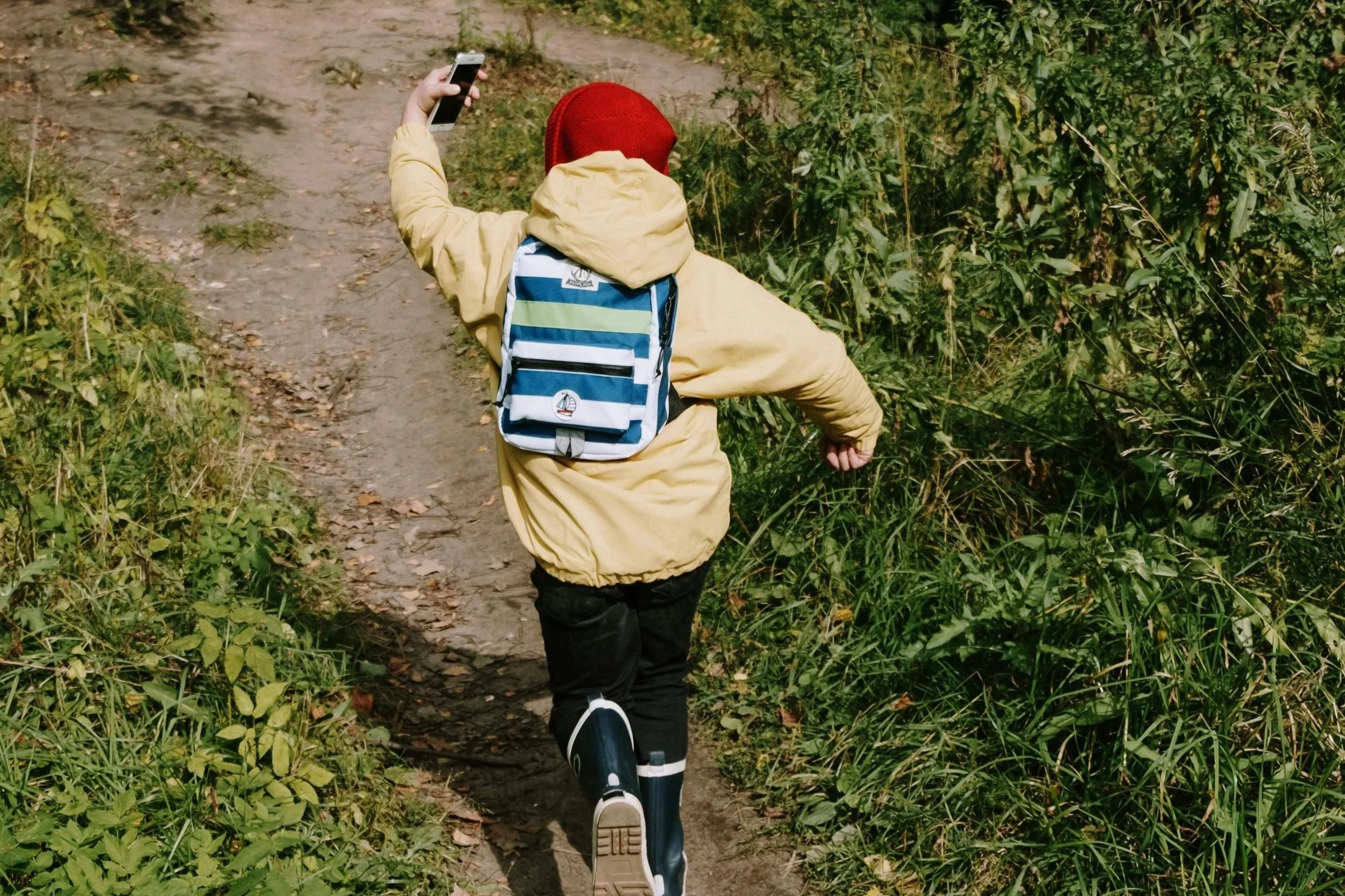
Photo Credit: cottonbro studio / pexels.com
In This Article You Will Find.
As a parent, you’ve probably experienced that moment when you check in on your child to see what they’re doing. You peek into their room at night and find them buried in their phones. You call their name once, then again, but they don’t respond. They’re just scrolling.
Nowadays, it seems like everything revolves around social media. It plays a significant role in our lives, serving as a platform for friendships to blossom, trends to take off, and news to spread. For many, including adults, social media has become a part of their identity. However, it’s also a source of anxiety, sadness, and depression, leading many to constantly compare themselves to others. This is exactly why some governments are beginning to take action.
Let’s focus on children for a moment. In recent years, countries like France and Australia have implemented an under-16 social media ban, and they are not alone in this initiative.
At the end of the day, the issue goes beyond just screen time; it’s about mental health, the safe development of children, and the need to protect them from maturing too quickly.
Let’s be honest: most parents didn’t see this coming. We gave our kids phones because it seemed practical. They helped us stay in touch and kept our children entertained on long drives. But in the back of your mind you probably asked yourself if it’s a good idea. But it felt like a natural progression in an increasingly digital world, so why not? Back then, social media didn’t seem like a threat; it felt like a way to connect.
However, things changed faster than anyone anticipated. What we’re witnessing now is not just kids using technology; it’s kids growing up within it. That’s a very different reality than what most of us envisioned when we first handed them a device.
So, the question is no longer whether social media is a part of their lives; it already is. The real question now is: what do we do about it?
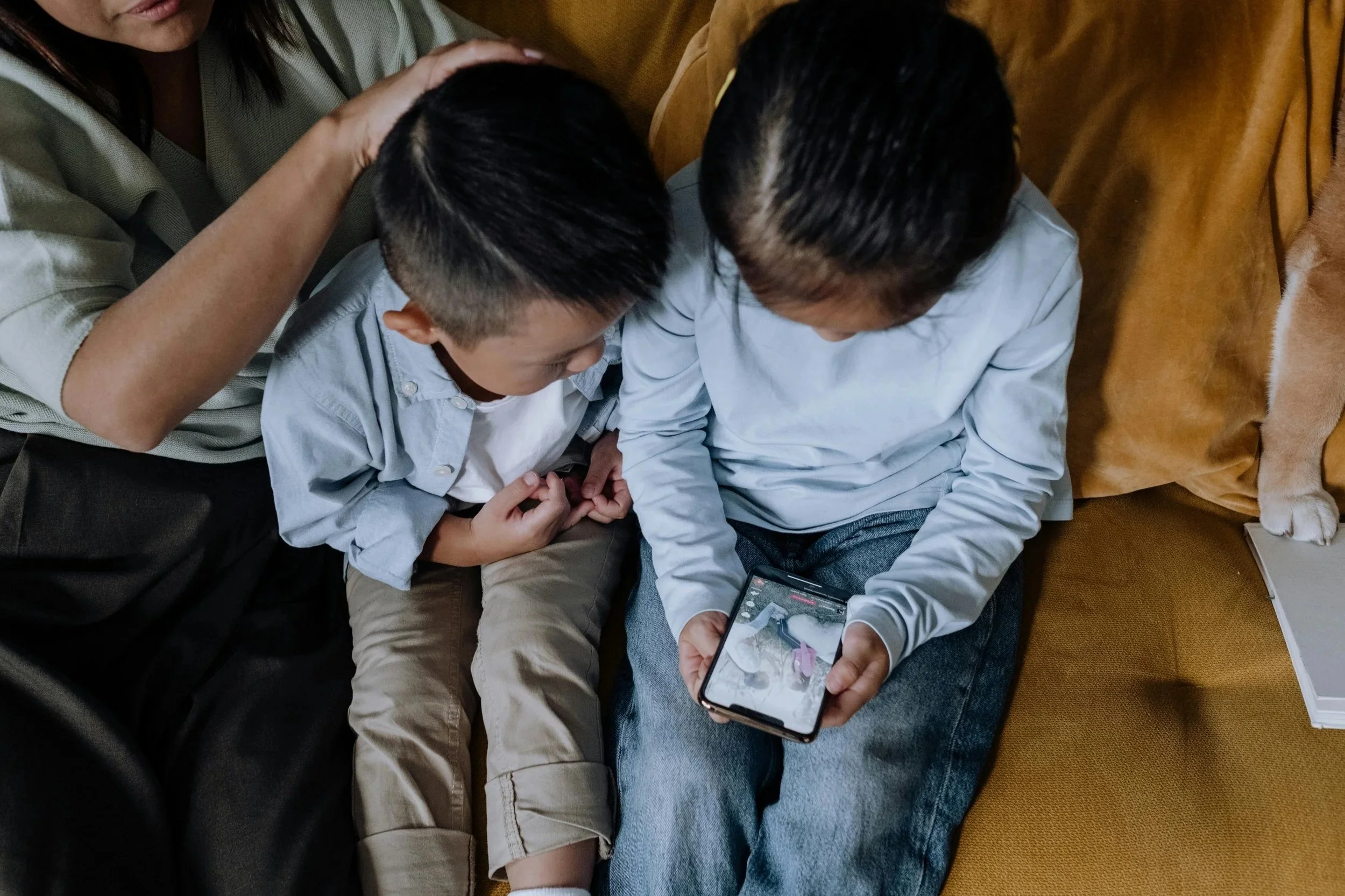
Photo Credit: cottonbro studio / pexels.com
France’s Move To Protect The Children
France has always been a step ahead, especially when it comes to technology and people. And when it comes to minors, there is no doubt that there are strict rules that apply to everyone. If you see the French law, you may notice that children under 15 cannot create social media accounts. They need their parents' consent to do it. Platforms must get approval from a parent or guardian. This is all with one simple goal – to prevent (or at least minimise) early exposure to algorithms and online risks.
But there is so much more to this social media ban for children. The French have even talked about stronger measures and tighter verification systems. President Emmanuel Macron has publicly expressed concern about when it comes to exposure of children to harmful online content and cyberbullying. It all comes down to this – it is imperative to protect all children and keep them safe. They believe this can only be done with boundaries – and strict ones at that.
This is never about technology. It’s about the children’s brains. After all, they are still in a development stage. So everything, including impulse control, emotional regulation, and risk assessment, is not fully developed as skills at 12, 13, or even 15 years old. Social media platforms are designed to always get your attention. This is something that worries lawmakers, and it is why laws about minors and social media have become so strict.
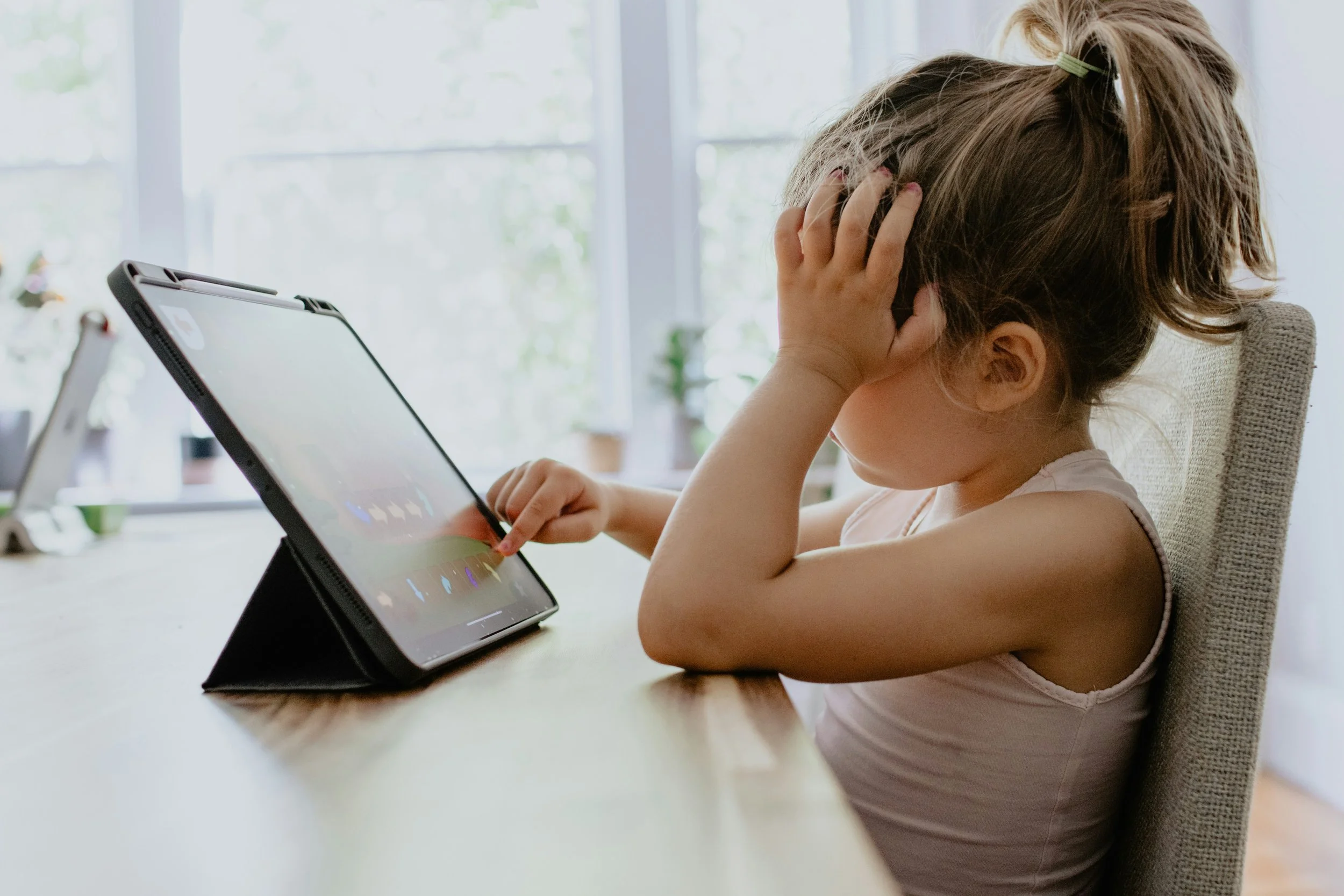
Photo Credit: Kelly Sikkema / unsplash.com
Australia Has Been Even Tougher
The social media ban in Australia is stricter. Their proposals aim to restrict the use of social media by youngsters under 16 years of age. Australian leaders have openly discussed the possibility of a national ban for children under 16 unless the most popular platforms (which are practically all of them) can enforce a strict age verification. The debate immediately caught everyone’s attention because of the rising concerns about youth mental health, online exploitation, and exposure to harmful content.
In Australia, when it comes to platforms like TikTok, Instagram, and Snapchat, it is important to consider how they impact young users. Most of these platforms technically already have age limits (usually 13+). But clicking a different birth year takes two seconds. This is a very weak protection system – everyone knows that. So Australia decided to say that if the platforms cannot protect the children, then the adults can – and that is a powerful statement.
Why Governments Suddenly Want To Get Involved?
If we look at it honestly, social media has been around for over a decade. So why are governments only acting upon this now?
Mental Health Concerns in Young People
There’s been an increase in anxiety, depression, and body image issues among teens in many countries all around the world. However, this is especially the case in Western countries. Since most of the world is influenced by the West, one of the negative aspects that comes with it is the constant need not to compare but to seek external validation. This is not something a young individual's mind can fully comprehend.
While social media isn’t the only cause, it plays a very big role (especially when it comes to comparison and cyberbullying). Constant exposure to filtered perfection can seriously harm anyone’s self-esteem. Likes and comments have become the norm for a person’s behavior. For younger teens, that pressure can feel enormous, especially because their brains are still developing. At this stage, governments simply respond to what parents, teachers, and psychologists have been saying for years.
Cyberbullying and Online Harassment
Unlike in-person bullying, online harassment follows children home. It’s there at night, in the group chats, and in screenshots that will never go away. France and Australia have both cited cyberbullying as a key reason for the under-16 social media ban. When bullying moves into the digital world, its effects spill over into real life. The affected children start to avoid school, withdraw socially, and even self-harm in severe cases.
Addictive Design
Social media is addictive. It is designed to keep you busy, to scroll all the time, to send you notifications, and to create an algorithm based on what you like to keep you hooked. This is nothing more than a mere business model. Imagine, adults struggle with this. So what about a 14-year-old? The idea behind a ban on these parameters isn’t that teens will never use social media. It simply raises the question of whether they should enter that world a little later (for example, when they’re more emotionally equipped to handle it).
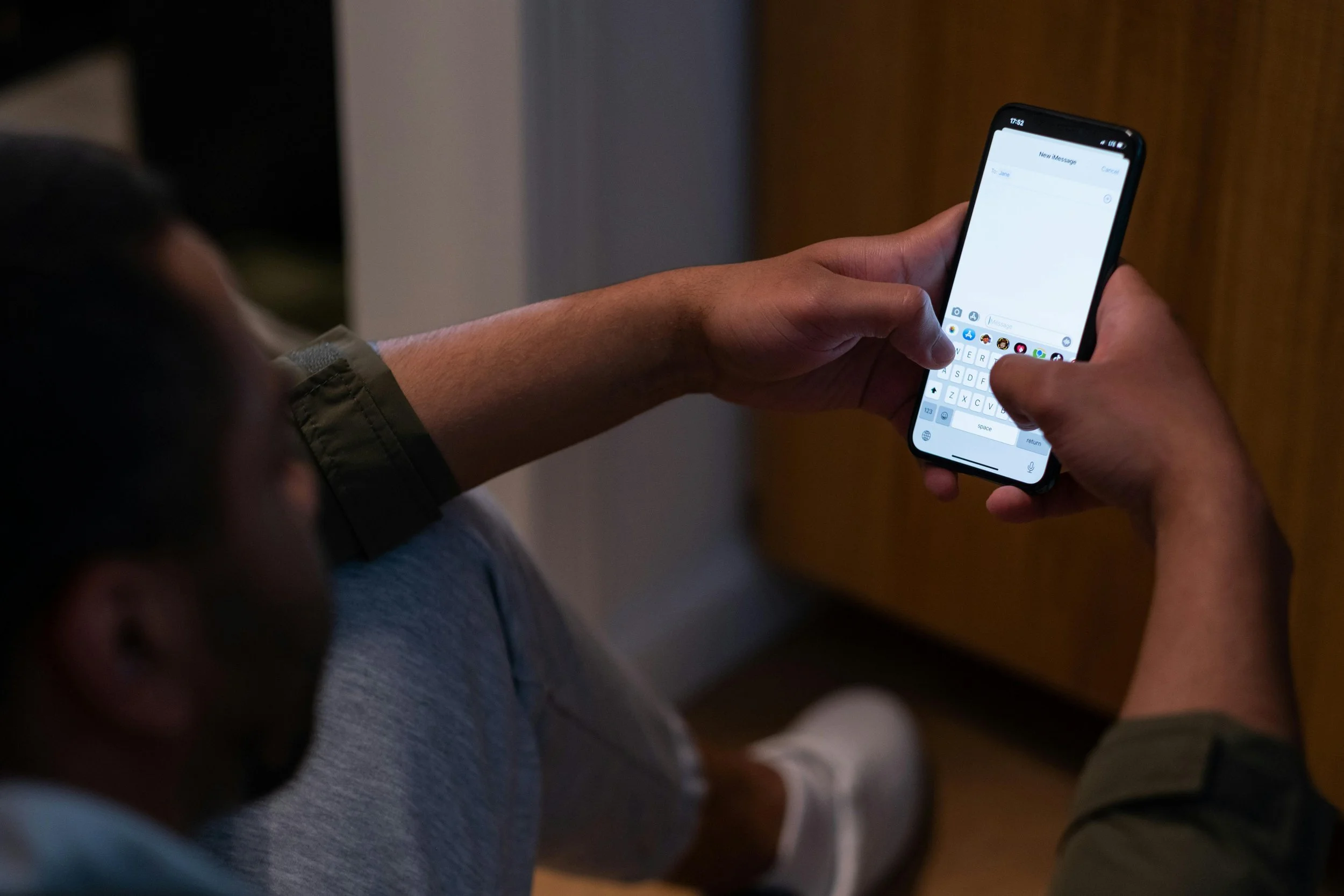
Photo Credit: Ron Lach / pexels.com
The Big Question – Would a Ban Actually Work?
Here’s where things get interesting. In lieu of these social media bans for kids, the sides are always divided. Many people are not opposed to the idea. However, there is also a large portion of people who argue that bans such as these would be hard to enforce. After all, children these days are tech-savvy. VPNs exist, and if all else fails, they can always enter a fake birthday. So, is a ban like this a realistic approach?
Those who support the idea say the same argument could apply to any age restriction, yet we still have it. The system, as it is, is far from perfect, but that doesn’t mean we shouldn’t try. And there’s also a deeper question here that leans into the philosophical side – should governments step in with the ban, or should this responsibility remain with parents?
For some families, a national under-16 social media ban would actually make life easier. That means they don’t have to be the strict parents. It’s easier, it’s the law, and it gets the job done. It removes pressure and eases the new kind of responsibility of the parents. But on the other hand, for some, it feels like government overreach.
Both perspectives deserve space in this discussion.
What About Smaller Children?
For parents of younger children, the challenge of screen time becomes very real, especially if their child is as young as 7 and already has access to a phone or social media. Simply removing screens isn't the solution and can often backfire. Instead of enforcing restrictions, it's more effective to redirect their focus towards exciting alternatives that engage them in real life.
Encouraging curiosity through exploration – turning scrolling into creating or passive time into hands-on activities – can reduce their screen time. Nature plays a crucial role in this. Many children view it as a distant concept, but helping them recognize local flora and fauna fosters curiosity and draws them away from screens.
Adopting a seasonal way of living provides a grounding experience. Observing changes in nature and establishing rituals around them gives children reasons to engage with the outdoors without screens. The Celtic Kids Guides and seasonal dioramas offer hands-on learning, allowing children to create small worlds that meaningfully introduce them to their environment. This deeper connection transforms their perception of nature from a mere backdrop to a vibrant ecosystem, making screens less appealing.
The Bigger Picture
This isn’t just about the social media ban for kids. It’s about creating a healthy digital childhood. It looked one way up until now, but it is time for a little refinement. For years, the narrative was that we all need technology because it is a part of our progress as a race. The more connected we are, the better it would be. Now, we have come to the point of realizing that connection without limits has consequences.
What France and Australia essentially do is ask society to pause and reflect. What do we want our children’s lives to feel like? Do we all want them to spend more time outside, in face-to-face communication with the rest of the world, or do we want them to be overwhelmed by notifications and constantly have their faces shoved into small screens? This debate isn’t anti-technology. It’s pro-development. It’s about giving young brains time to grow before we introduce them to platforms designed for adults and advertisers. And honestly, that’s a conversation everyone should have.
The under-16 social media ban debate will not go away. With France and Australia leading the pack, other nations follow. Some of them fully, others with smaller steps. But the shift has begun. So if you are a parent, educator, or simply someone who cares about the next generation, now is the time to inform yourself. You can start conversations at home. Ask your child how social media makes them feel. Listen to what they have to say and try to set some healthy boundaries. And if you want to take a step further, support digital literacy programs and advocate for safer platform design. Because this is about protecting childhood. And it is something all of us should do.

I'm a nature-loving mom from the Netherlands, sharing my journey of reconnecting with nature and embracing a simpler, more natural life.
Let’s explore this path together!
Follow & Like
Discover More


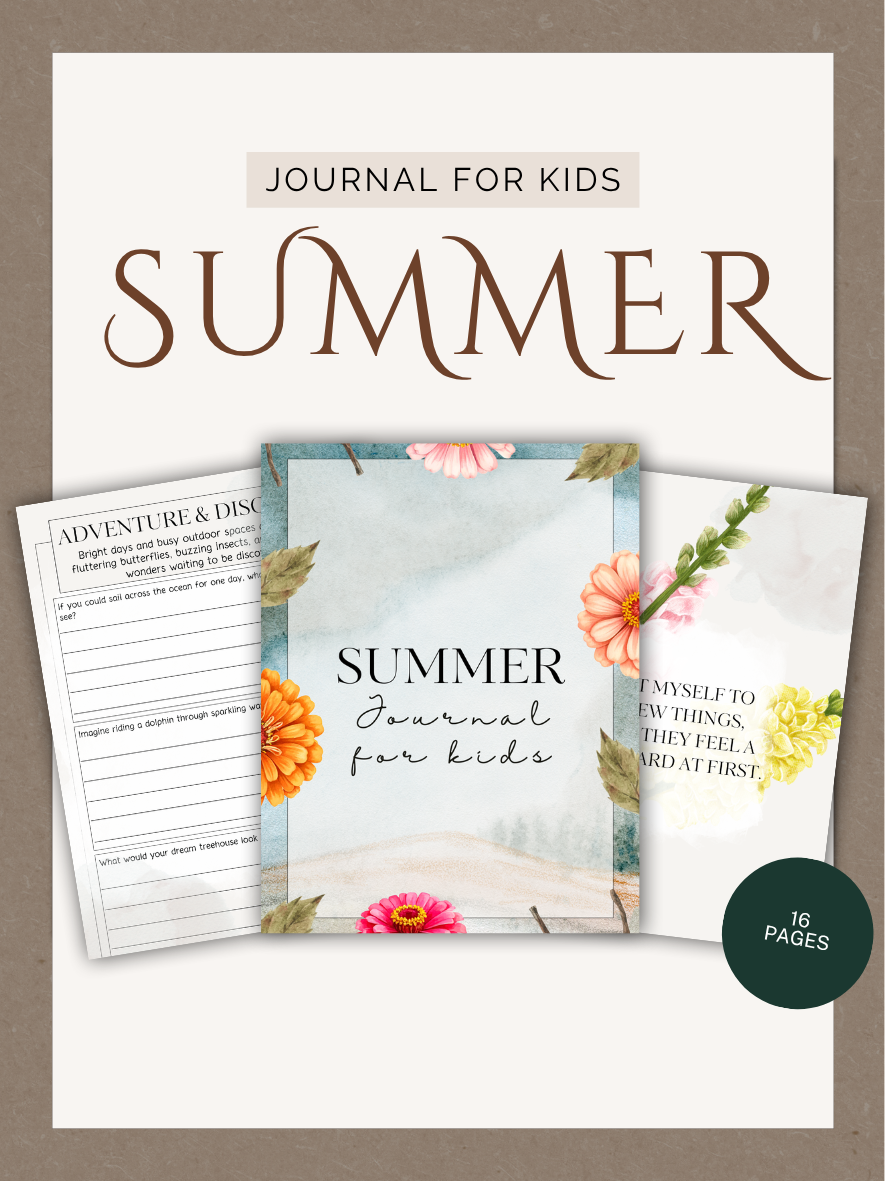
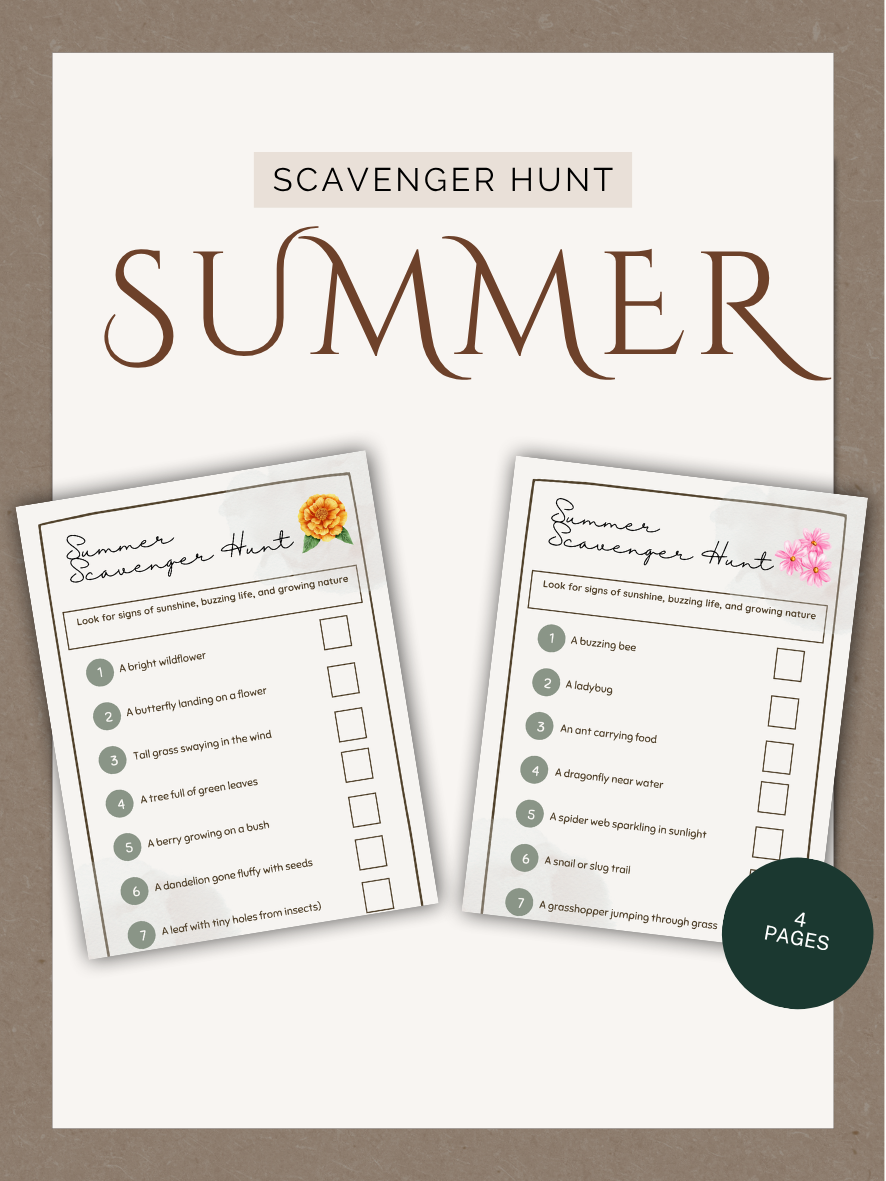
Embrace the Wonder of Autumn with the Nature Journal for Kids
As the air turns crisp and leaves begin to change color, invite children to slow down, explore the outdoors, and reflect on the beauty of the season through this thoughtfully designed Autumn Nature Journal for Kids Age 8+. Filled with guided writing prompts, mindfulness activities, and creative nature exercises, this printable journal encourages curiosity, imagination, and meaningful outdoor connection.
Inspired by peaceful woodland walks, falling leaves, cool breezes, and cozy autumn moments, this journal helps children build emotional awareness, observation skills, and confidence while enjoying relaxing screen-free activities.
Perfect for homeschool learning, classroom quiet time, forest school adventures, camping trips, and family nature walks, this printable journal creates space for children to notice seasonal changes and express their thoughts, feelings, and creativity through guided reflection and storytelling.
What’s Inside
This interactive journal includes:
Reflective journaling prompts inspired by the autumn season
Nature observation pages focused on changing landscapes and outdoor discovery
Mindfulness and gratitude activities to encourage emotional growth
Creative storytelling and imagination exercises
Thoughtfully designed printable pages for relaxing seasonal learning
Gentle prompts that inspire curiosity, creativity, and self-expression
Each page is carefully created to help children connect more deeply with nature while exploring the beauty, calm, and transformation of the autumn season.
Digital Download – For Personal Use Only
This is a digital product. No physical item will be sent.
Once your purchase is complete, you’ll receive a high-quality PDF ready for instant download and printing.
All sales are final due to the nature of the product. If you experience any issues or need assistance, feel free to reach out. I’m always happy to help.