Winter Seasonal Food: What To Eat In The Colder Months To Stay Healthy And Warm
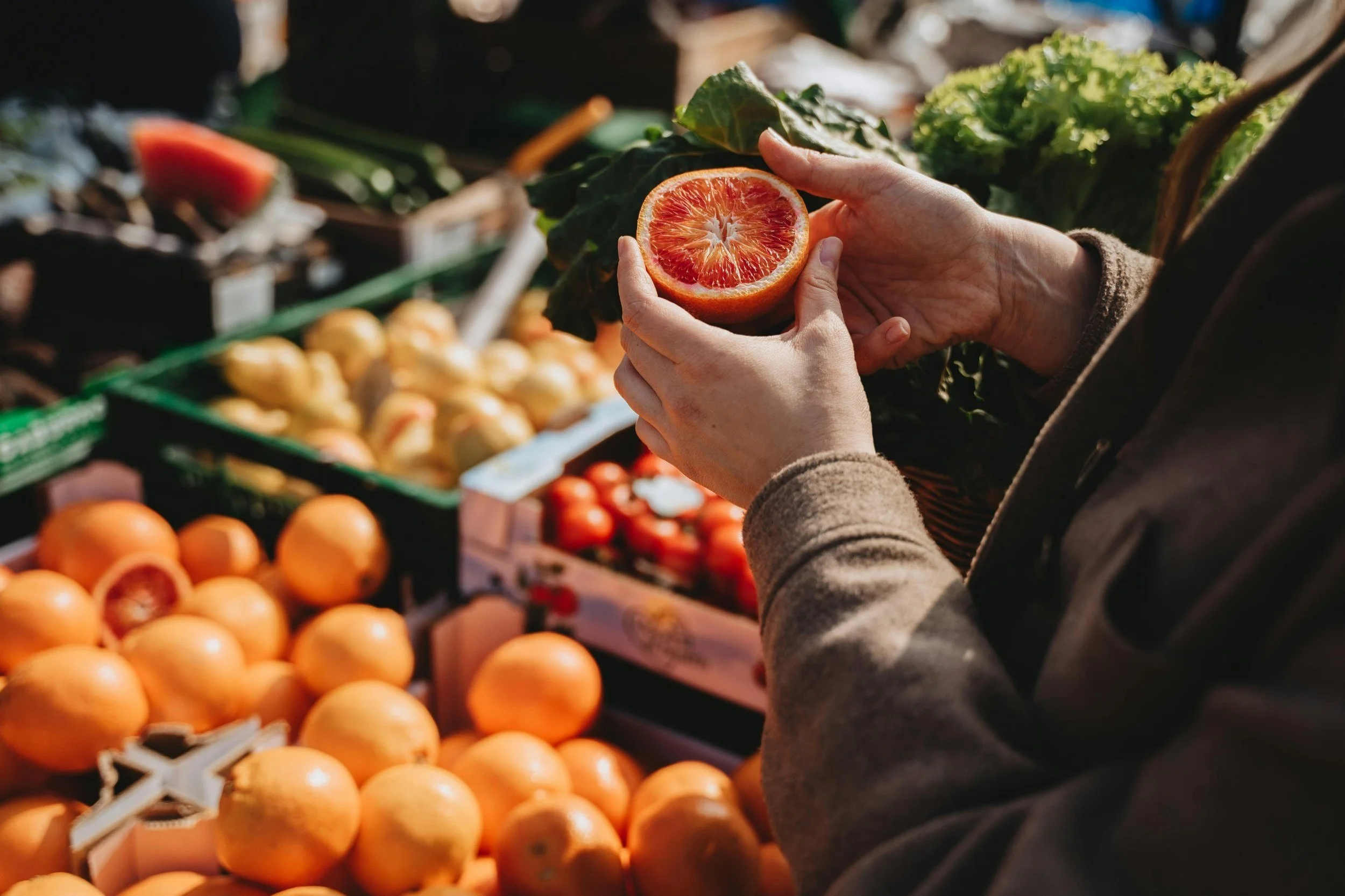
Photo Credit: Alesia Kozik
In This Article You Will Find.
Winter is the season when we start our internal regeneration. It’s the ideal time to rest for more hours, take better care of ourselves, rethink what we want to undo, and visualise the new resolutions we wish to generate.
It is a stage of less activity and greater silence, as nature marks the beginning of a new cycle. The sun’s energy is at its minimum point, a time when nature "rests" and secretly prepares to sprout again once the new spring arrives. The rivers renew their waters and the animals, their fur. It’s like the world is preparing for a restart.
While the surrounding landscapes change, our bodies also change with each season of the year. And just as we adjust our clothing choices during the colder months, our diet will also need certain modifications.
In this time of deep regeneration, our choice of winter seasonal food should generate inner heat that nourishes us and provides more strength and nutrition to survive the season. To follow an adequate diet when the chilliness hits, it is essential to take advantage of eating seasonally.
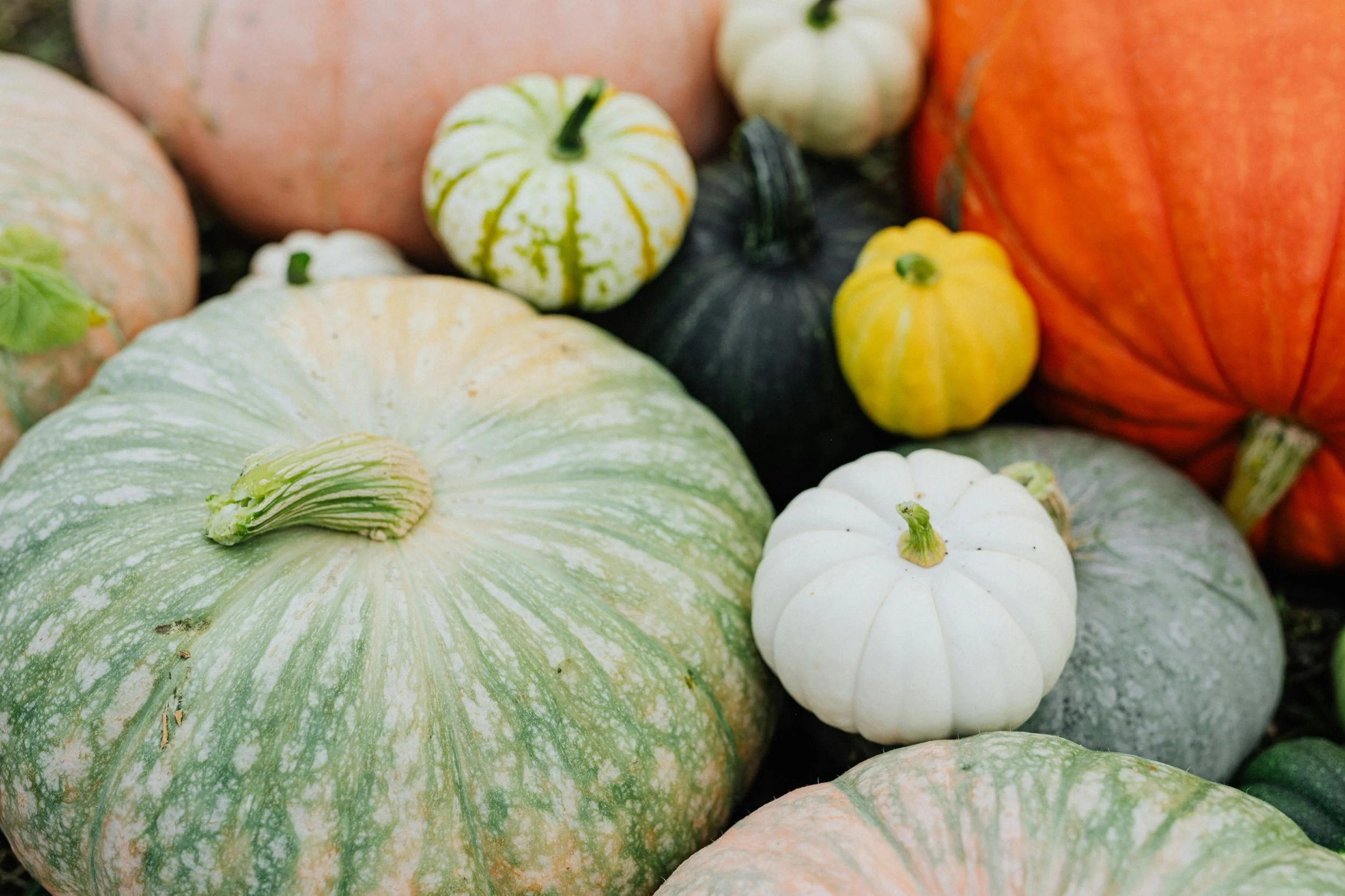
Photo Credit: Kaboompics
The Importance Of Winter Seasonal Food
If we do not listen to nature around us, live in peace with it, and feed out of balance with the season through which we transit, it is likely that we will often feel cold, exhausted, uninspired, and even weakened during wintertime. Cold foods such as dairy products, tropical fruits, and summer vegetables can devitalise us at this time and hinder our regeneration task.
On the other hand, if we take care of ourselves through a diet where slow-cooked foods, winter vegetables, remineralising broths, and "grandma" stews dominate, we will contribute to a good health and energy base for the rest of the year.
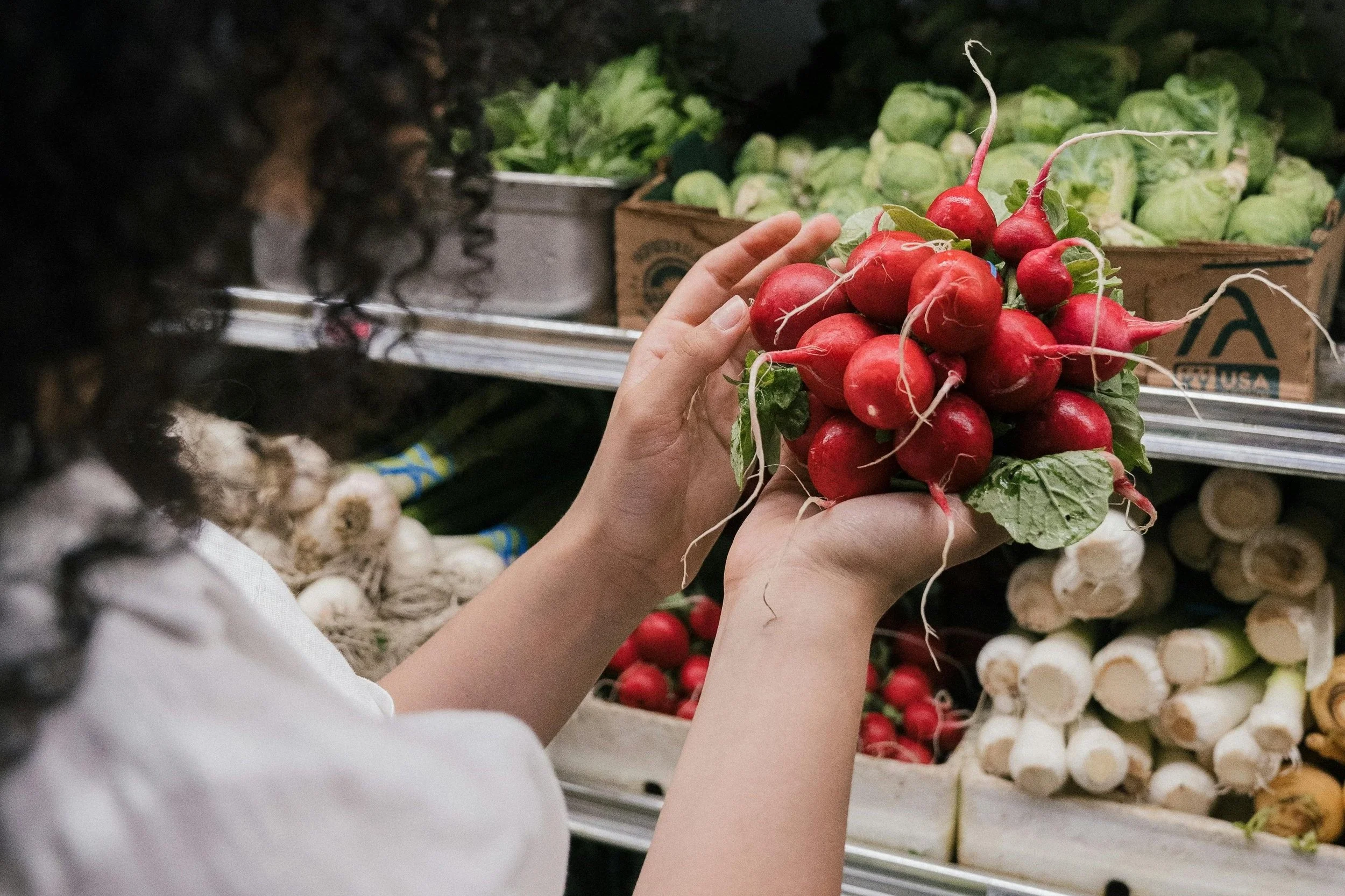
Photo Credit: Mike Jones
In the cold season, the earth shares its goods that brim with Vitamin C – our most important shield in winter, which acts as an antioxidant. The nutrients provided by winter seasonal foods strengthen the immune system and help us prevent the typical diseases of the season.
I see that behaviour as similar to a mother sheltering and protecting you when she puts away ice cream in winter. After all, what is nature if not a mother who cares deeply for all its inhabitants?
So, by eating seasonally in winter, not only do we care for our health, but we also pay attention to and become aware of the environment we inhabit. All we need to do is listen to nature, follow its rhythm, and take advantage of the goods it provides each season. This will bring great benefits to our well-being and keep nature happy and balanced.
Benefits Of Winter Seasonal Food
Our ancestors would never have eaten a tomato in January, an orange in August, or a zucchini in December, but the current production model and globalisation have made it easier for us to consume a wide variety of products at any time of the year.
We may have forgotten, but nature as a whole works in cycles, and eating seasonally, in a nutshell, is better for our health, the environment, and our pockets.
That said, it is no coincidence that the orange season occurs in winter, the artichoke season begins in early autumn, or that tomatoes start to grow in summer. This is how nature provides us with all the necessary nutrients to combat the diseases or physical needs typical of each season (such as flu in winter, dehydration in summer, liver detoxification after the holidays, etc.).
These are some of the benefits of eating winter seasonal food.
They Contain All The Nutritional Properties You Need For The Season
In winter, your body’s immune system needs an extra boost to stay resistant to all the viruses and flu that come with the season. For that reason, we need more vitamin-C-enriched foods like Brussels sprouts, broccoli, citrus fruits, and kiwi, which will equip your body with nutrients to fight common winter diseases.
Oranges and kiwis, for example, are inexhaustible sources of vitamin C necessary to protect the body against flu and colds in winter (as with all seasonal foods that have a role in our body for each time of the year). These foods are typical for the colder season, and that is nature’s way of saying, “I’ve got your back”!
They Are Rich In Flavour
Winter fruits and vegetables such as pears, cabbage, or sweet potatoes are at their peak, so when they are harvested and consumed at their optimal ripening point, they provide superior taste, texture, and nutrition.
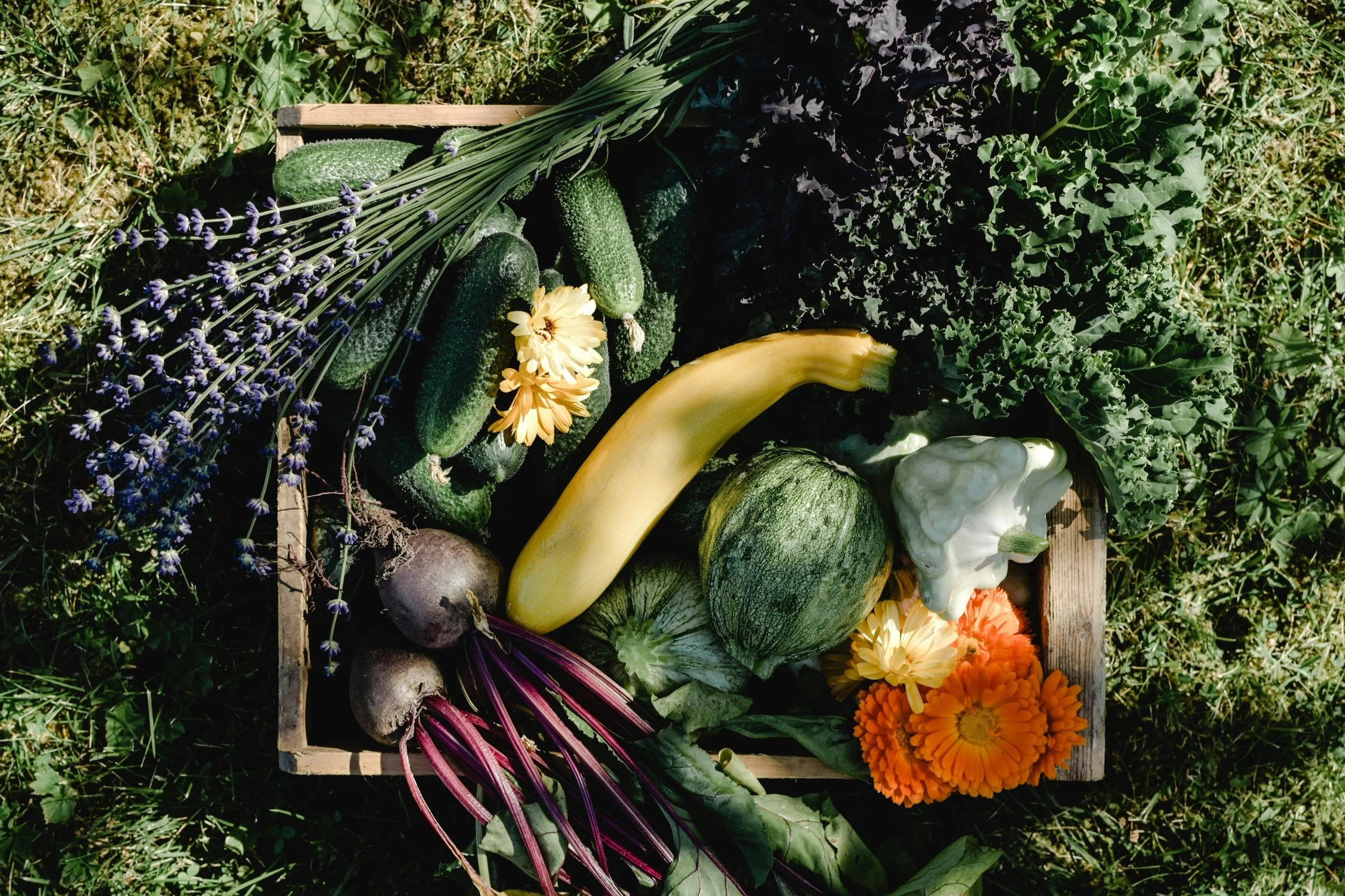
Photo Credit: Eva Bronzini
They Are Better For Your Pocket
The out-of-season food we can find in the stores is imported from other countries. All the transportation and storage costs inevitably make them more expensive than the goods found locally.
Seasonal products, on the other hand, can be offered fresh by local farmers at a better price. So, in addition to acquiring a healthy habit, we do our pockets a favour as well.
They Are Good For The Environment
You may not be aware of it, but by eating seasonally, you pay respect to nature. Not only do you follow and live (and eat) in balance with the cycles of nature, but you also promote more seasonal food production with less industrial intervention.
By adding more winter seasonal produce to your shopping list, you reduce the dependence on fossil fuels for the transportation of products. So, buying root vegetables in winter does not only mean you are taking care of yourself, but you also take care of your land and live in the Aloha Aina spirit.
Winter Fruits
Get the most out of winter fruits to boost your immunity with extra vitamins and nutrition and healthily fight the cold weather.
December
Cranberry
Nothing warms me up in December like a big, hot cup of cranberry tea. The small but powerful berries are practically a nutritional bomb exploding with antioxidants, and vitamins C and K.
You can use them to make a sauce that combines well with turkey dinner, consume them as a beverage (juice or tea), or eat them dry as a snack.
Pomegranate
Low in calories and high in nutritional value, the ruby-coloured winter fruit with juicy tart-sweet arils will dazzle your plates, tickle your taste buds, and fill your body with the nourishment necessary to stay healthy in the cold. It’s packed with anti-inflammatory properties, vitamins C and B, minerals, and iron.
What I like most about this winter seasonal food is its versatility. You can add it to your morning chia pudding, use its juices to make your lunch chicken tender or toss it over your dinner salad. My personal favourite is mixing red cabbage, carrots, and rocket salad, sprinkling over toasted pumpkin, sunflower, sesame, and flaxseeds, and adding the pomegranate seeds like a cherry on top.
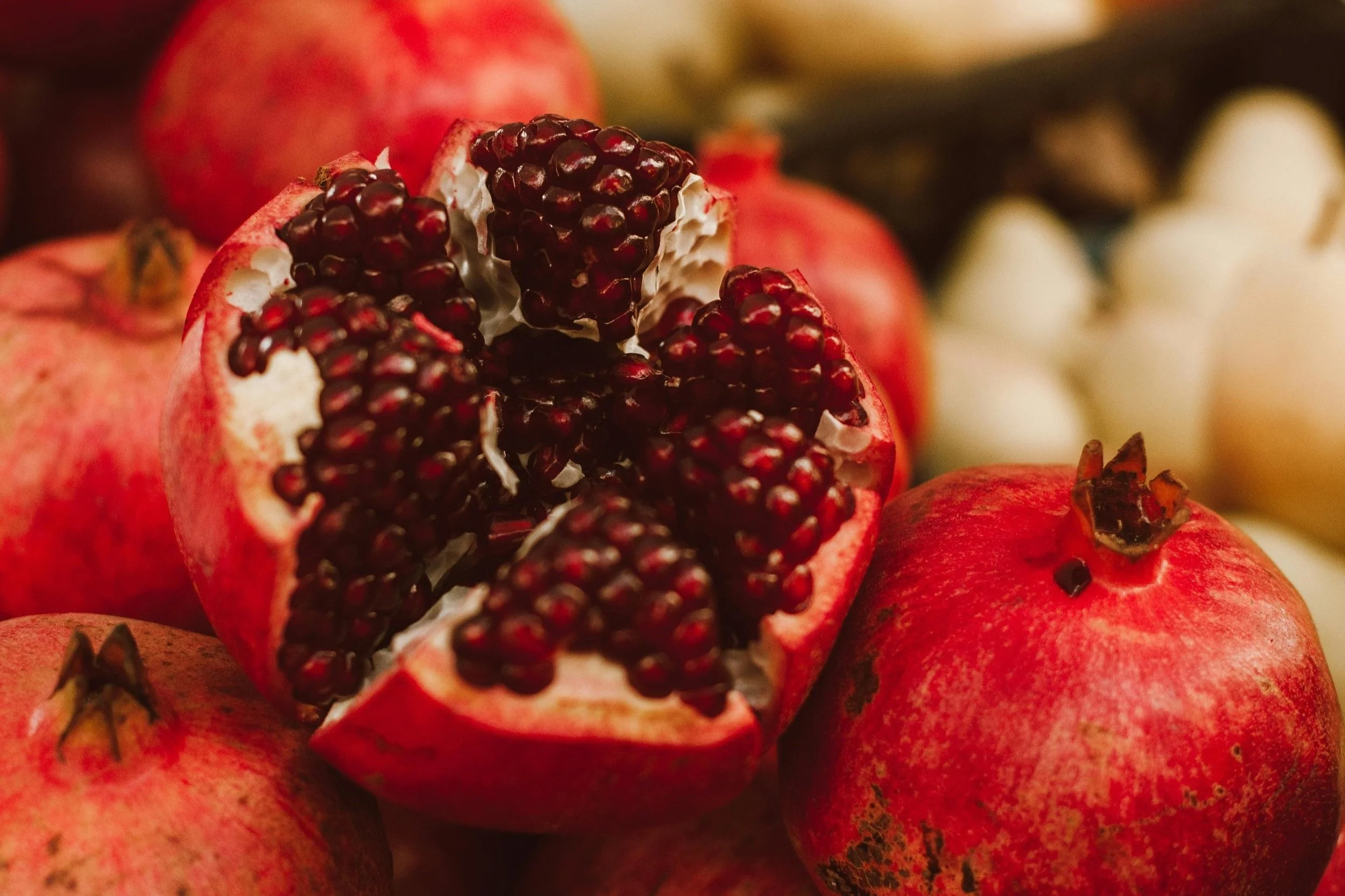
Photo Credit: ROMAN ODINTSOV
January
Orange
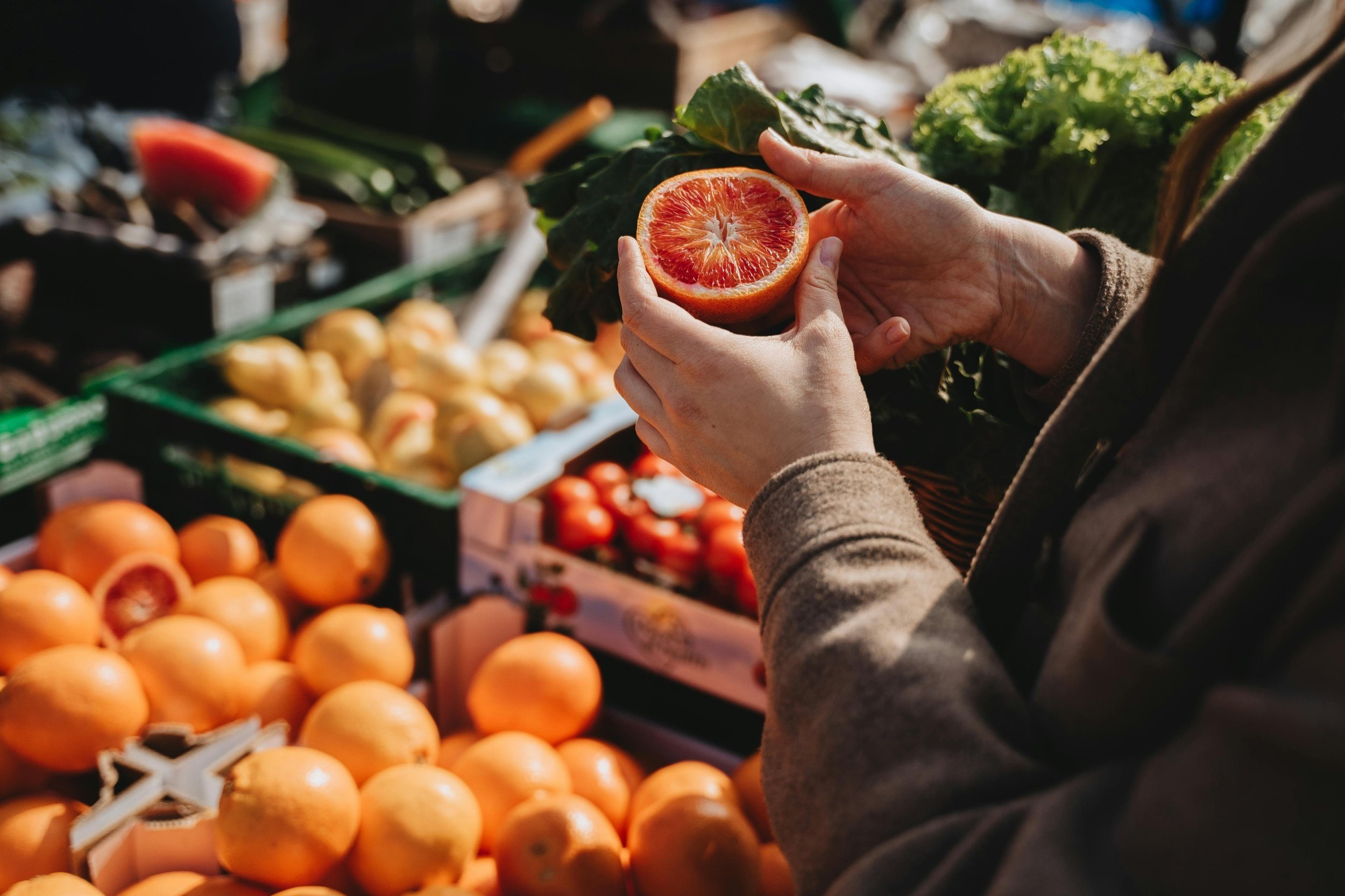
Start the new year with the winter fruit that boasts the greatest amount of vitamin C – the orange. Indispensable for your body, oranges help you increase your defence system naturally, which is essential throughout the coldest months.
In addition to vitamin C, this fruit has detoxifying, diuretic, and digestive properties thanks to the high levels of calcium, magnesium, and zinc that will help strengthen your immune system.
You can consume it as a sweet treat in cupcakes, cookies, or pies, or use its juices for a zesty marinara with fish or meat.
Tangerine
My winter favourite! This tiny but tasty citrus fruit rules the winter with its sweet flavour. Boasting vitamin C, potassium, and fibre, they are among the most beneficial seasonal fruits as they control cholesterol levels (which may go up during the winter holidays) and reduce the risk of heart disease.
You can make the perfect mandarin cake if you crave a winter dessert, or mix it in a salad with arugula, red onion, and apples sprinkled with pomegranate and nuts of your choice.
Lemon
The golden winter fruit, characterised by its acidic and refreshing flavour, can become your best ally in defending your body from the flu. Besides the numerous desserts that can be made with lemons such as tarts, sponge cakes, or creamy cheesecakes, this golden winter star can also be a great addition to popular winter seasonal recipes such as chicken soup, pasta sauce, or zesty risotto.
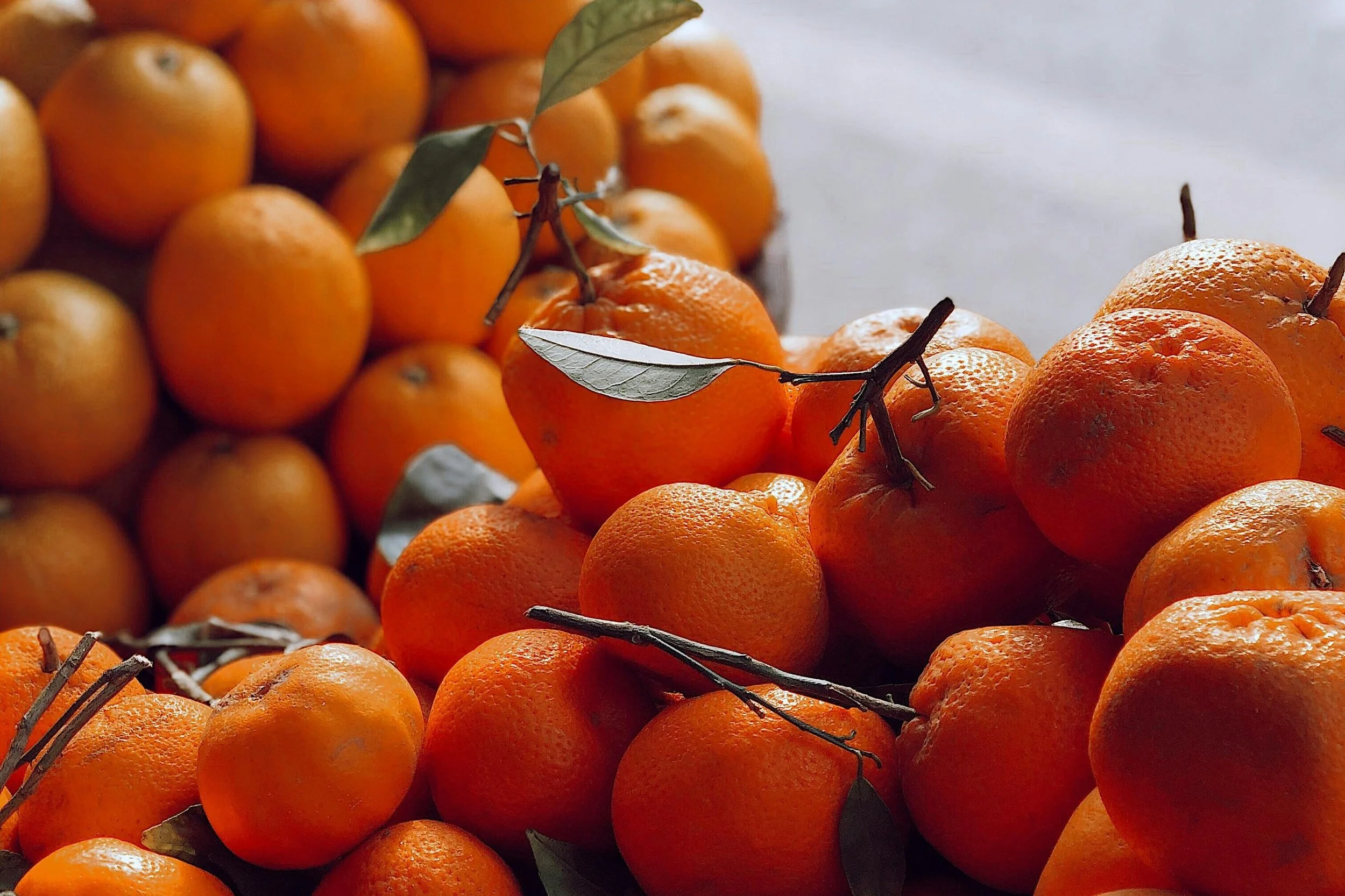
Photo Credit: Arshan Ali
February
Apple
Did you know that although this fruit can be found throughout the year, it is typical of the winter season?
The benefits of this great winter seasonal food are already known: rich in antioxidants and fibres, a great source of minerals such as phosphorus, potassium, or calcium, and vitamins from groups B and C. Whether you want to improve your digestion, control your diet, or keep the doctor away, the apple is an indispensable food in winter.
Consume it raw to get the most out of its nutrients, wrap it up in puff pastry for a delicious dessert, or toss it in a salad to give the festive season a special fruity mark.
Pear
Another of the winter fruits par excellence that can actually be consumed throughout the year, but its moment of greatest consumption is in winter. If you are looking for a winter fruit that provides you with fibre, folic acid, vitamins, and minerals essential to keep your body in perfect condition to fight the cold, the pear cannot be missing from your winter shopping list.
Try them roasted, sprinkled with walnuts, and glazed with maple syrup.
March
Kiwi
Thanks to the large amount of vitamin C (even twice as much as oranges), folic acid, and fibre, the fuzzy winter fruit is best known for its combat against anaemia and strengthening the immune system.
Use kiwis to make smoothies for breakfast, add them to your chicken salad for lunch, or make a kiwi salsa as a side dish for your salmon dinner.
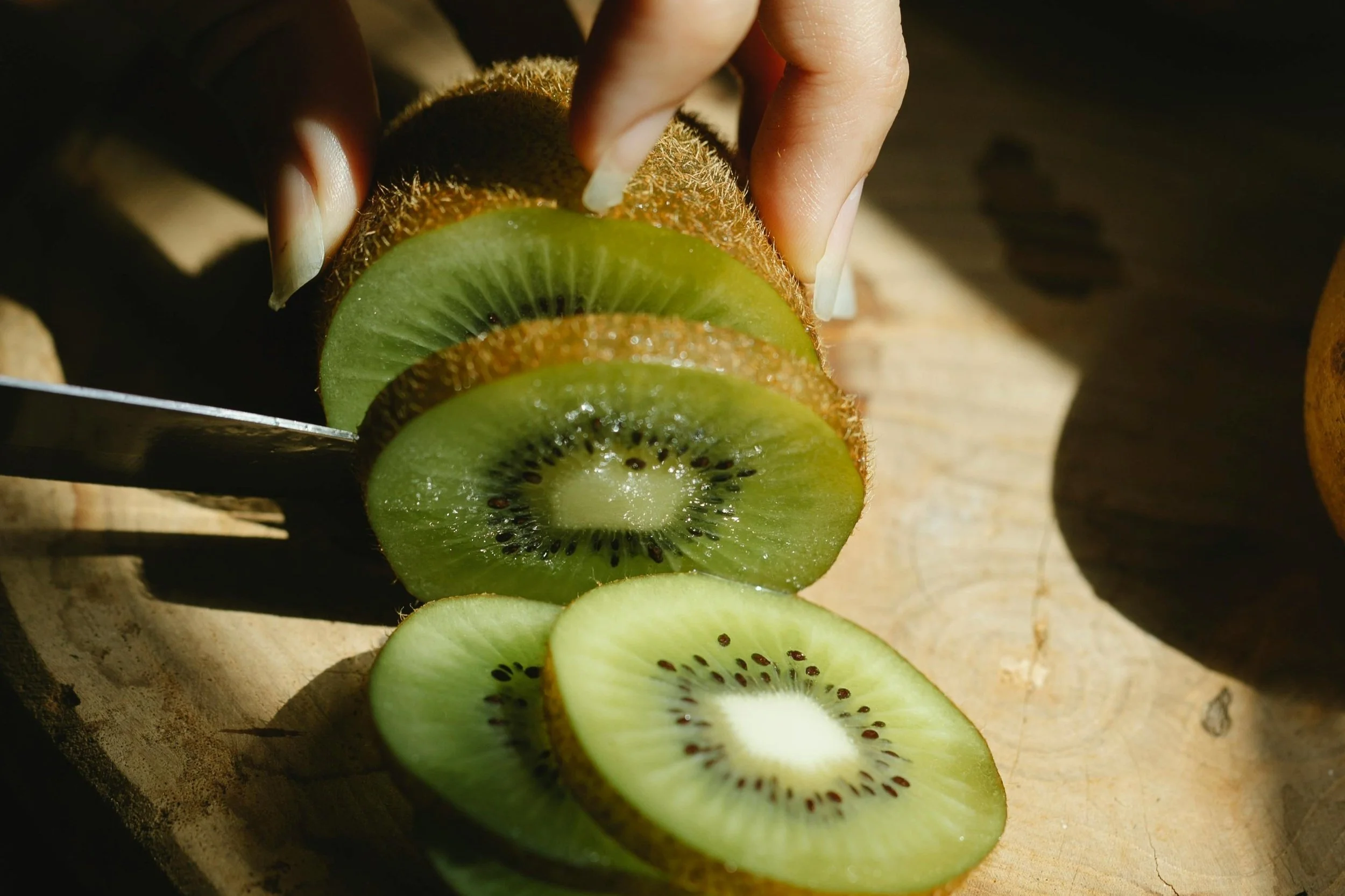
Photo Credit: Any Lane
Winter Vegetables
Vegetables take centre stage among winter seasonal foods! From the all-time favourite pumpkin to various leafy greens, these are packed with nutrients and vitamins that will keep you in tip-top shape.
December
Pumpkin
What I like most about this orange winter gem aside from its health benefits, is that it is suitable for both sweet and savoury dishes.
Combine the sweetness of the pumpkin with the creaminess of rice and create the perfect risotto. You can also stuff it with mushrooms and herbs, include it in a veggie lasagne, or make a delicious pumpkin soup.
The pumpkin-infused winter seasonal recipes are limitless: pies, cakes, muffins and beyond.
Cabbage
This is one of the winter vegetables that best resists low temperatures so it can reach the markets in optimal consumption conditions. Raw or stewed, red or white, it is the perfect ingredient for making a healthy winter dish.
Besides the abundance of vitamin C it contains, the cabbage has a high water content, so it is an excellent natural diuretic ideal for purifying the body.
Grate it as a salad, use its leaves to wrap a mixture of minced meat, carrots, onions and rice, or make an aromatic cabbage soup combined with different winter vegetables. Easy, healthy and tasty!
Potato
Presenting the absolute king of all winter vegetables – the potato! The caloric contribution of potatoes helps you regulate body temperature, favouring the recovery of calories lost by your body in winter. The cold causes the metabolism to overwork, so you will need extra calories to maintain a constant body temperature. They are also very rich in fibre, minerals, folic acid, and vitamins B1 and B2.
When it comes to winter seasonal recipes with potatoes, the choice is infinite. I often make them roasted and aromatic, spiced with oregano, rosemary, and thyme, or mashed with butter and milk. But in winter, my family’s favourite dish is a salad with boiled potatoes and onions, drizzled with olive oil and apple cider vinegar. Delicious!

Photo Credit: MART PRODUCTION
January
Beetroot
With its sweet-earthy flavour and intense wine-red colour, the beetroot is a precious winter vegetable loved by babies and adults. Carrying tons of benefits like lowering blood pressure, preventing anaemia, and boosting blood detoxification, the powerful veggie will give a special taste to your winter menu. I like to eat it fresh as a salad and combine it with arugula, goat cheese, apples and balsamic vinegar, while my boy likes it pickled as a side dish.
Brussels Sprouts
The mini cabbages that kids love carry a high concentration of antioxidants, vitamin C, and iron and are not considered a superfood for nothing. They are the main protagonist in the winter table because they resist the cold well and strengthen our immune system.
Roast them in the oven seasoned with spices and grated parmesan, cut them into slices and add them to your personalised Caesar salad, bake them with cream cheese with parmesan and breadcrumb topping.
Broccoli
The high content of iron and folic acid in the green star of winter seasonal foods will build a defence mechanism against all diseases that attack in the colder months. I like my broccoli baked, splashed with melted butter and mustard sauce and covered with cheese (or cheesy broccoli as my kids like to say).
You can also roast it with potatoes and baby carrots as a side dish, toss it in a crunchy salad, add it to your risotto, or make a creamy soup served with Greek yoghurt.
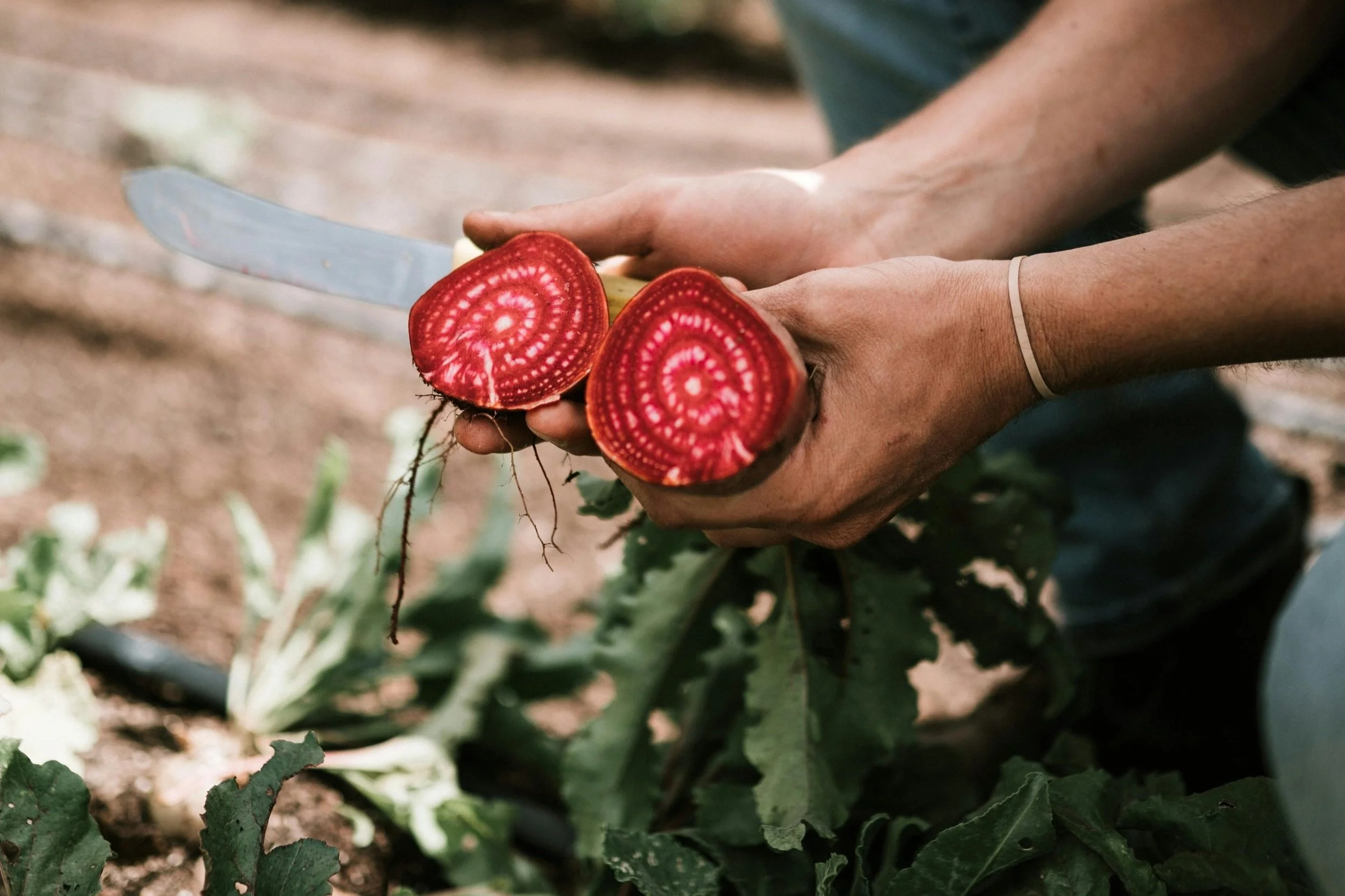
Photo Credit: Taryn Elliott
February
Kale
The dark green and purple leafy winter vegetable is full of vitamins A, C and K as well as calcium and antioxidants that will keep you safe and warm during the cold months.
Kale is great when consumed in soups along with other seasonal vegetables or sauteed with garlic, onion and olive oil as an addition to your meat plate. I also combine it with lemon chicken and potatoes for a juicy and healthy winter meal.
Leeks
This vegetable, characterized by its high resistance to cold, is rich in vitamins B and C and contains iron, magnesium, potassium, phosphorus and calcium. Leeks are a great addition to all winter soups and stews giving them an aromatic zest ideal for winter days. You can add them to scrambled eggs for breakfast, or make a leek pie.
March
Artichoke
Tough on the outside and tender on the inside, the winter culinary gem is a great source of minerals and offers many varieties for consumption. You can use its leaves to dip it in a vinaigrette, roast it with rosemary chicken and potatoes, or make a veggie pizza.
Parsnip
What’s a good hot chicken soup without a parsnip?
This root winter vegetable with intense flavour provides you with minerals and vitamins of group B, C, E and K – exactly what you need to survive winter staying strong and healthy.
My favourite way of consuming this indispensable winter vegetable is in a soup along with carrots, onions, leeks and parsley. You can also make oven-baked rice with the same ingredients, the result will be delicious.
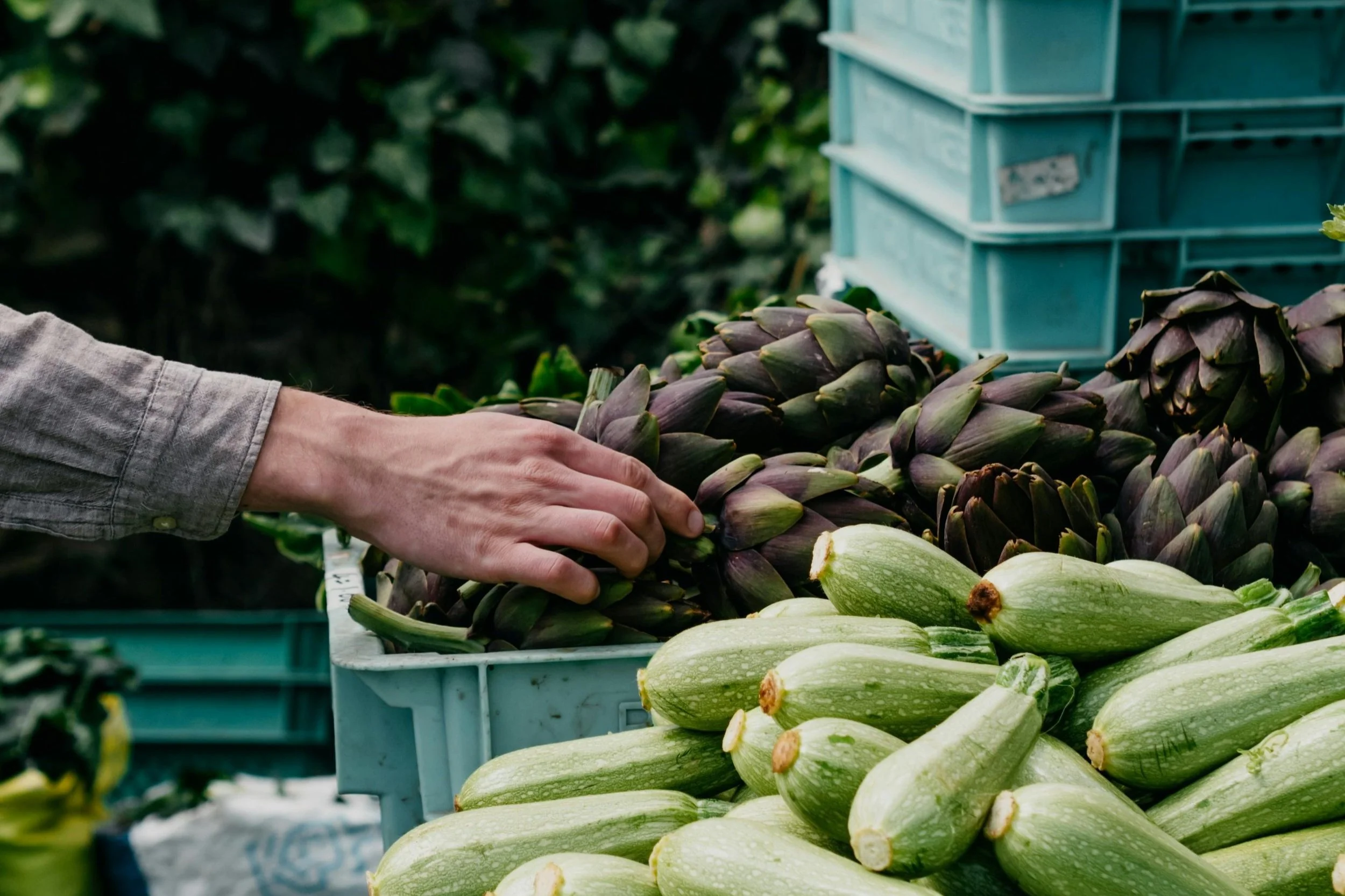
Photo Credit: Polina Kovaleva
Winter Nutrition Tips
Start the day with something that warms you up, such as cinnamon-spiced milk or millet porridge. Prepare your meals warm, cooked, slightly fatty and well-seasoned to heat your body and soothe your soul.
Avoid cold foods and drinks that will take away your energy.
Cooked vegetables generate heat: pumpkin, sweet potato, leek, onions, carrots, beetroot, and other root vegetables are welcome thanks to the strength they provide.
Don’t forget a pinch of flavourful spices such as garlic, ginger, black pepper, cayenne, or herbs like parsley and chives that will give a special zest to your winter dish.
Soaked and cooked whole grains, such as oats, brown rice, buckwheat, and legumes in the form of well-cooked stews and creams, will help you generate more internal heat.
Make room for the kings of winter by cooking more soups and broths. Delicious vegetables thrive in winter so you can mix up your favourite ones. Give yourself the pleasure of enjoying a meal that is both nutritive and mouthwatering.
Swap excessively fatty sweet treats with steamed sweet potatoes sprinkled with cinnamon, date brownies with almonds, or a delicious chestnut cream.
Create The Perfect Dish Using Seasonal Winter Foods
Nature has a funny way of providing exactly what we need at the right time. Take advantage of all the winter seasonal foods boasting vitamins and minerals essential for a healthy diet during the colder months.
Hot and tasty dishes, seasoned with herbs and spices, can not only provide comfort and support our immune system, but also satisfy your cravings and taste buds, all the while taking care of nature.
Curious to discover nature’s power? Read the rest of my blogs.

I'm a nature-loving mom from the Netherlands, sharing my journey of reconnecting with nature and embracing a simpler, more natural life.
Let’s explore this path together!
-
Description text goes here
Follow & Like
Discover More